Wondering whether a Williamsburg waterfront condo is worth the premium, or if an interior-block home may fit your lifestyle better? It is a smart question, especially in a neighborhood where building types, daily routines, and price points can change noticeably from one pocket to the next. If you are weighing views, transit, outdoor space, and long-term practicality, this guide will help you compare the tradeoffs with more confidence. Let’s dive in.
Williamsburg Condo Choices
Williamsburg’s waterfront and interior blocks reflect different parts of the neighborhood’s evolution. According to NYC Planning, the shoreline was largely industrial before transitioning into residential and mixed-use development, while the upland interior has a mix of low- and mid-rise residential and industrial buildings.
That history still shapes what you see today. In practical terms, the waterfront often feels newer and larger in scale, while interior Williamsburg offers a broader mix of building styles, street experiences, and day-to-day routines.
Price Context in Williamsburg
Williamsburg remains one of Brooklyn’s higher-priced condo markets. For a general market frame, StreetEasy reported a 2025 median asking price of about $1.67 million, while Zillow and Redfin placed recent median sale prices around $1.25 million and $1.4 million.
Those numbers measure different things, so it is best to treat them as a range rather than a single benchmark. There is no single published waterfront-versus-interior condo price split in the research, but the building differences can help explain why pricing often varies from one micro-location to another.
Waterfront Condo Features
If you picture Williamsburg luxury condo living, you are probably imagining the waterfront. NYC Planning materials show that this is where many of the neighborhood’s tallest newer residential and mixed-use buildings cluster, including large-scale towers in the Domino area, alongside public open space.
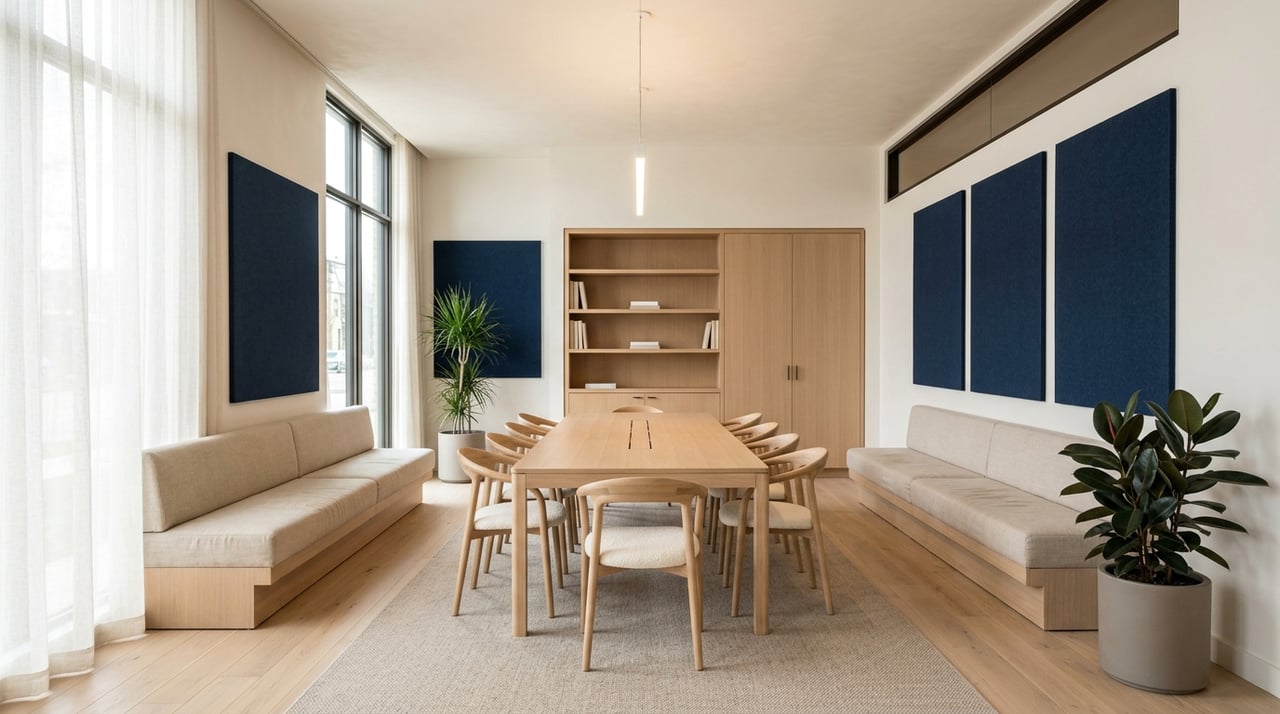
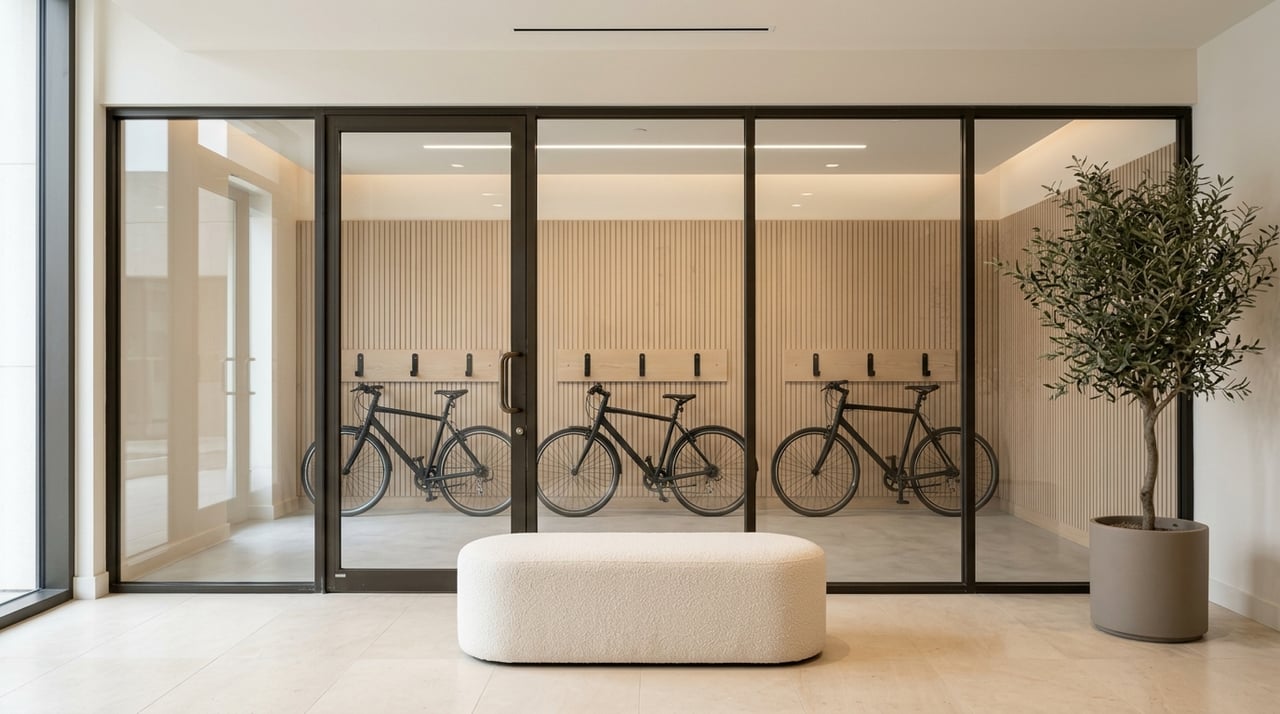
The waterfront building mix also includes some lower-rise loft-style properties, but the overall pattern skews toward newer and taller development. That usually means you are more likely to find larger amenity programs, newer finishes, and a more tower-style living experience.
Another important feature is public waterfront access. Zoning and planning materials show that many shoreline developments are tied to required public walkways and waterfront public access areas, which are designed to remain open to the public during designated hours.
Interior Condo Features
Interior Williamsburg offers more variety in housing stock. NYC Planning describes upland building types that include three- to four-story walk-ups, 10- to 15-story elevator buildings, and converted lofts, all within a street pattern shaped by low- and mid-rise residential and industrial buildings.
For you as a buyer, that means the choice is often not just old versus new. It may be a choice between a tall amenity building and a smaller-scale loft, walk-up, or boutique elevator condo with a different feel and carrying-cost profile.
Interior blocks can also feel more tied to the neighborhood’s everyday street life. In many cases, buyers here prioritize building character, scale, and access to retail corridors over direct water views.
Parks and Outdoor Access
One of the strongest waterfront advantages is direct access to East River open space. Marsha P. Johnson State Park offers seven acres of waterfront space with skyline views, meadow plantings, passive recreation areas, and picnicking and barbecue areas. Planning materials also identify Domino Park and Bushwick Inlet Park as major shoreline open-space assets.
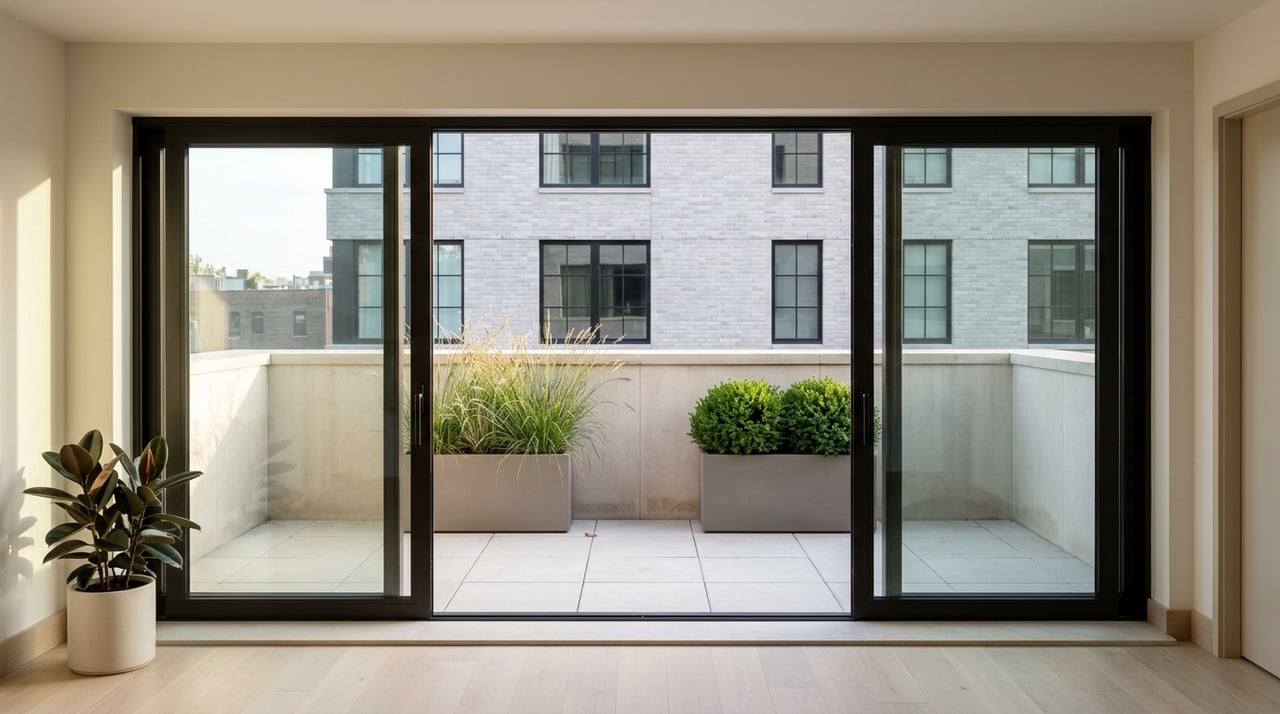
If outdoor access is a big part of your routine, the waterfront may feel especially appealing. The ability to step outside and head straight to the esplanade or riverfront park system is a meaningful lifestyle benefit for many buyers.
Interior blocks have a different outdoor-space story. McCarren Park, which serves both Williamsburg and Greenpoint, spans 35 acres and includes baseball, basketball, bocce, handball, football, tennis, running space, and a pool and play center.
So the choice is not outdoor space versus no outdoor space. It is more about what kind of outdoor space fits your routine best: waterfront promenades and river views, or a large multi-use neighborhood park with more active recreation.
Views and Daily Experience
The waterfront is the clearest option if views matter to you. NYC Planning notes that waterfront public access areas and visual corridors are intended to preserve and expand East River, bridge, and skyline views.
That relationship to the river can shape your daily experience in a very specific way. Even when you are not inside a unit with open views, the streets, parks, and public-access areas along the shoreline tend to reinforce that sense of openness.
Interior Williamsburg offers a different type of environment. Instead of a water-edge setting, the experience is more connected to neighborhood streets, local storefronts, and the rhythm of existing corridors.
Retail and Street Life
If you want to be closely connected to one of Williamsburg’s best-known commercial corridors, interior blocks may be the stronger fit. NYC Planning notes that Bedford Avenue’s retail corridor is supported by commercial overlays designed to encourage continuous ground-floor retail activity.
That can translate into a more retail-oriented daily routine, especially if you like running errands on foot or being close to restaurants, cafes, and shops. For many buyers, that street-level energy is part of the appeal of interior Williamsburg.
Kent Avenue is also an active commercial corridor, but planning documents describe it more through a mixed-use and repurposed-industrial lens. In other words, the feel can be different from Bedford Avenue’s more continuous retail spine.
Transit Differences
Transit is another place where the choice becomes practical. Waterfront buildings have a direct ferry advantage, with NYC Ferry’s East River route serving North Williamsburg at North 6th Street and Kent Avenue, and South Williamsburg at 440 Kent Avenue.
If you value ferry access, that can be a real quality-of-life factor. Some buyers like the commute option itself, while others simply value having another transportation choice nearby.
Interior blocks are generally more subway-oriented. MTA neighborhood maps for Williamsburg show nearby station areas that include Bedford Avenue, Marcy Avenue, Lorimer Street, and Metropolitan Avenue/Lorimer Street, and the Williamsburg Bridge carries the J, M, and Z lines.
Your best fit depends on how you actually move through the city. If your routine is centered on subways, interior Williamsburg may feel more intuitive. If you like the ferry or want that added option, the waterfront stands out.
Budget and Ownership Tradeoffs
The research supports a clear building-stock difference, even if it does not publish a single waterfront-versus-interior pricing gap. Waterfront condos are more likely to cluster the newest and tallest product, which can mean buyers are paying for views, newer finishes, larger amenity packages, and direct access to shoreline open space.
Interior blocks tend to offer a wider spread of building ages and scales. That broader inventory mix can create a wider range of potential price points and monthly carrying-cost profiles, depending on the building and unit type.
This is where your search should become highly personal. A buyer who wants a full-service feel and strong amenity programming may lean toward the waterfront, while a buyer focused on scale, building character, or different cost structures may prefer interior options.
Flood Risk and Building Due Diligence
If you are considering the waterfront, climate-risk due diligence matters. NYC Planning states that portions of the Williamsburg shoreline are in flood-prone areas and that the immediate shoreline falls within the velocity zone, while new construction in flood zones must follow flood-resistant building standards.
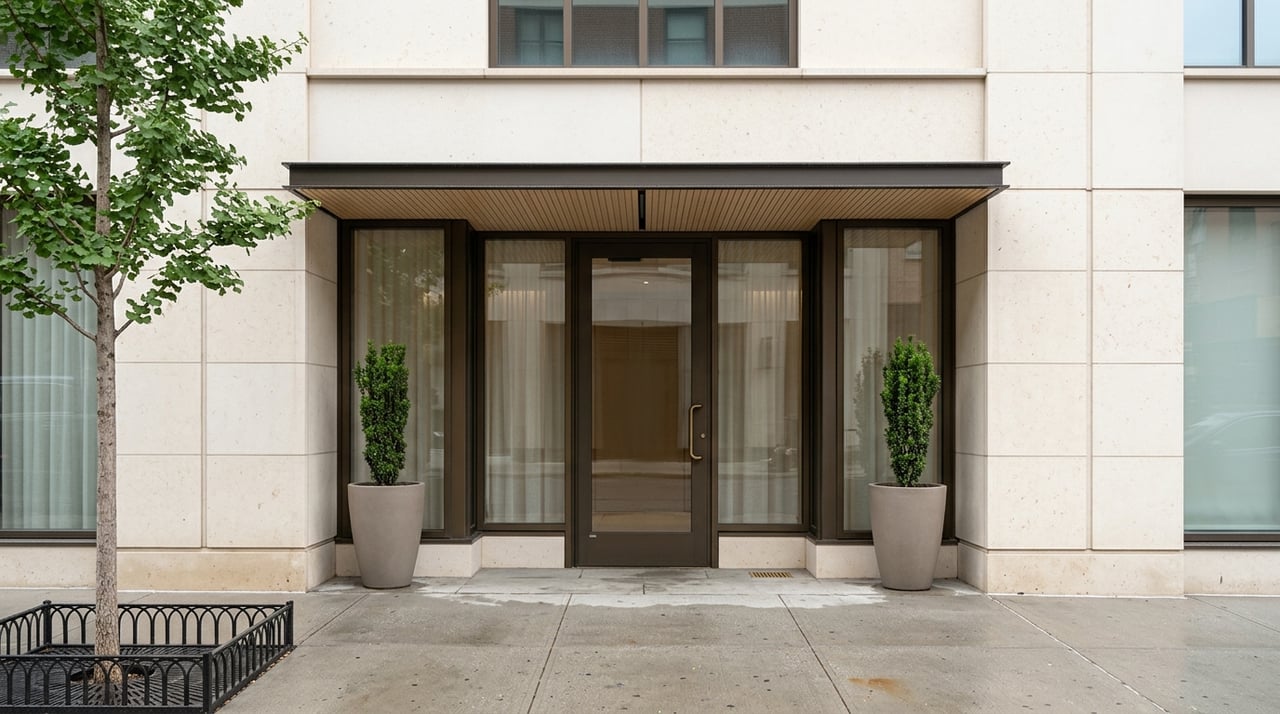
For you, that means looking beyond finishes and views. It is smart to review how a building handles flood resilience, including lobby elevation, storage placement, ground-floor design, amenity-room location, and how access may be managed during storms or waterfront work.
This does not mean every waterfront purchase should be avoided. It means the review process should be more detailed, with close attention to building design and resilience planning.
How to Decide What Fits You
If you are torn between the two, start with your daily routine instead of the listing photos. Ask yourself where you want to spend time, how you commute, and whether you care more about skyline-and-river access or a more interior neighborhood rhythm.
A waterfront condo may be the better fit if you prioritize:
- Direct East River park and esplanade access
- Ferry convenience
- Newer large-format buildings
- Potential skyline, bridge, or water views
- Larger amenity offerings
An interior Williamsburg condo may be the better fit if you prioritize:
- Closer connection to Bedford Avenue and interior retail corridors
- More varied building stock
- Smaller-scale loft, walk-up, or boutique elevator options
- A more subway-oriented routine
- A less water-facing day-to-day setting
There is no universal winner between waterfront and interior Williamsburg. The right choice depends on how you define value, comfort, and convenience in your everyday life.
If you want help comparing specific Williamsburg condo options, The Horizon Team offers data-informed, high-touch guidance for buyers navigating North Brooklyn’s evolving condo market.
FAQs
What is the main difference between Williamsburg waterfront and interior condos?
- Waterfront condos are generally associated with newer, larger residential buildings near the East River, while interior condos offer a wider mix of walk-ups, lofts, and mid-rise elevator buildings farther from the shoreline.
Are Williamsburg waterfront condos more expensive than interior condos?
- The research does not provide a single published waterfront-versus-interior price split, but waterfront condos are more likely to include newer construction, views, and larger amenity offerings, which can affect pricing.
Which Williamsburg condos have better park access?
- Waterfront condos offer the most direct access to East River open space like Marsha P. Johnson State Park, Domino Park, and Bushwick Inlet Park, while interior condos may be better positioned for McCarren Park and its active recreation facilities.
Is transit better on the Williamsburg waterfront or interior blocks?
- Waterfront condos have an advantage for NYC Ferry access, while interior blocks are generally more connected to nearby subway stations such as Bedford Avenue, Marcy Avenue, Lorimer Street, and Metropolitan Avenue/Lorimer Street.
What should buyers check before purchasing a Williamsburg waterfront condo?
- Buyers should review flood-resilience features, including lobby elevation, storage placement, ground-floor design, amenity-room location, and how the building manages access during storms or waterfront-related disruptions.