If you have toured new condos in Long Island City, you have probably noticed that the amenity list can feel almost as important as the apartment itself. In a market where many buildings compete on rooftops, lounges, fitness spaces, and pet features, it is easy to wonder what actually adds value and what simply looks good in a brochure. This guide will help you sort through the difference so you can focus on amenities that support your lifestyle, your monthly budget, and your long-term resale position. Let’s dive in.
Why Amenities Matter in LIC
Long Island City has become one of New York City’s most amenity-heavy condo markets. StreetEasy described it as a waterfront neighborhood lined with upscale new developments for buyers who want luxury amenities and Midtown access, and its early-2025 buyer report noted a median asking price of $985,000, inventory up 18% year over year, and only 7% of listings with price cuts.
Pricing also shows how competitive this segment has become. Elliman’s Q4 2025 Queens report placed the Long Island City condo median sales price at $1,121,500, with an average price per square foot of $1,563. With the city’s OneLIC plan expected to add nearly 14,700 new homes and about 4,000 income-restricted homes, buyers should expect amenity competition to remain strong.
What makes LIC a little different is that many building amenities serve a practical purpose, not just a luxury one. StreetEasy notes that parts of the neighborhood are still evolving, with newer services such as parks and grocery options than in more established areas. That means shared spaces in the building often act as an extension of your apartment and daily routine.
The Amenities You Will See Most Often
New condo buildings in LIC vary a lot, but most packages are designed around the same idea: helping you live, work, exercise, host, and store things more conveniently. In smaller apartments, that can make a real difference in how the home functions day to day.
Rooftops and Outdoor Space
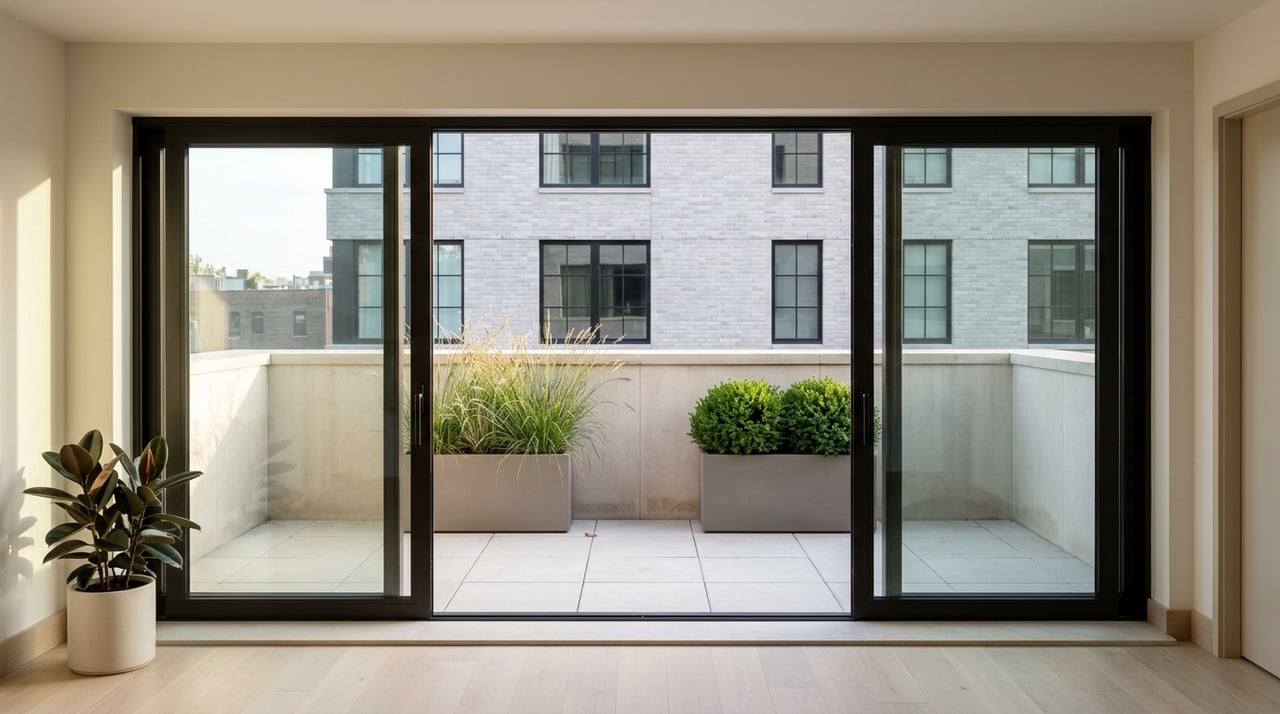
Rooftop decks, terraces, sky lounges, cabanas, grilling stations, and outdoor kitchens are among the most common features in LIC new developments. Buildings across the neighborhood market everything from landscaped roof decks to large veranda spaces and multiple rooftop entertaining areas.
For many buyers, this is one of the easiest amenities to understand and use. If your apartment has limited private outdoor space, a well-designed roof deck can become your place to relax, work outside, or host friends without leaving the building.
Fitness and Wellness Spaces
Fitness centers are now close to standard in many LIC condo buildings. Some buildings go further with yoga rooms, saunas, spa facilities, and in some cases indoor pools and treatment rooms.
These spaces can be valuable if they replace regular outside spending or save you time. A simple, well-equipped gym that you use several times a week may be more useful than a dramatic wellness package you only visit a few times a year.
Work and Social Areas
Resident lounges, private studies, business centers, social parlors, and chef’s kitchens appear often in LIC marketing materials. These spaces are meant to support remote work, casual meetings, and entertaining when your apartment layout is tight.
This category has become especially important because many buyers want more flexibility from where they live. A quiet work room or lounge can be far more practical than it sounds during a quick tour.
Family, Pet, and Service Features
Children’s playrooms, dog runs, pet spas, package rooms, bike storage, stroller storage, parking, and storage units are all common in LIC new developments. These may not always be the flashiest amenities, but they often solve the most frequent daily headaches.
In a neighborhood where local services are still newer than in some older parts of the city, convenience inside the building can carry extra weight. For the right household, these features may matter more than showpiece amenities.
Which Amenities Usually Offer the Best Value
Not every amenity contributes equally to your quality of life or future resale appeal. In general, the most valuable amenities are the ones residents use often and that future buyers can quickly appreciate.
Broad-Appeal Amenities
The features with the widest appeal in LIC tend to be:
- Roof decks
- Fitness rooms
- Package rooms
- Bike rooms
- Attended lobbies
- Storage
- Quiet lounges or work areas
These are easy to understand and easy to use. They also fit naturally into everyday life, which makes them more likely to support both enjoyment and buyer interest later.
Niche Amenities
Some features are more specialized, including:
- Pools
- Saunas
- Basketball courts
- Golf simulators
- Karaoke rooms
- Screening rooms
- Multiple cabanas
These can still be excellent amenities if they match your habits. The key question is whether you will actually use them enough to justify helping cover the cost of operating them.
How Your Lifestyle Changes the Equation
The right amenity package depends on how you live, not just on what photographs well. A buyer who works from home may get more value from a lounge and study room than from a pool. A buyer who bikes daily may care more about secure bike storage than a dramatic rooftop bar setup.
For some households, features that look niche on paper become highly practical. Children’s playrooms, dog runs, and pet spas can shift from optional extras to everyday conveniences, especially if they save trips outside the building or make routines easier.
This is where a thoughtful building tour matters. Instead of asking whether an amenity seems impressive, ask whether it solves a recurring problem in your week.
What Amenities Mean for Monthly Costs
Amenities are never truly free. Under New York law, common charges represent each unit’s share of common expenses, and common elements can include recreational facilities, parking areas, storage spaces, and core building systems.
In practical terms, the more shared space, staffing, and upkeep a building carries, the more those costs need to be spread across owners. The 2024 HDC new-construction operating standard helps show why, with a budget framework that includes management, insurance, heating, water and sewer, common-area electricity, cleaning, repairs, staff salaries, elevator maintenance, and reserves. Its benchmark was $11,759 per dwelling unit before taxes and debt service.
That figure is not a universal market average, but it is a useful reminder that operating costs can build quickly. A large amenity package may improve your lifestyle, but it can also influence what you pay every month.
Common Charges and Taxes Are Separate
When you compare buildings, do not combine common charges and condo taxes into one blurry number. New York regulations state that each condo unit is separately assessed and taxed as its own tax lot, and offering plans must disclose tax benefits or abatements and how their expiration could affect projected carrying charges.
That matters because a building with a favorable tax abatement can appear much cheaper month to month than a similar building without one. If you only compare the headline monthly total, you may miss what the cost picture looks like over time.
What May Cost Extra
Some amenities are not included in the base common charge. In LIC, certain buildings market roof cabanas, storage, and parking as items for sale, while others note that parking or storage can be arranged separately.
That means you should always ask a direct question: is this feature included, sold separately, or subject to an extra monthly fee? This is especially important for parking, storage, and any premium private-use outdoor areas.
Why the Offering Plan Matters
Marketing materials can create a strong first impression, but the offering plan is what matters most. The New York Attorney General warns that ancillary spaces such as recreational facilities and rooftop cabanas are governed by the offering plan, and if a feature is not promised there, it may not be required to be delivered.
The same buyer guidance also advises reviewing board minutes, financial reports, and known defects before closing. Those documents can help you spot weak reserves, pending repairs, or other issues that may eventually affect monthly charges or lead to assessments.
A Smart LIC Amenity Checklist
When you evaluate a Long Island City condo, keep this short checklist in mind:
- Is the amenity included in the offering plan, or only shown in marketing materials?
- Is access covered by the common charge, or billed separately?
- Will you use it weekly, seasonally, or almost never?
- Does it replace an outside expense, like a gym membership or storage rental?
- Does the building appear to have a clear maintenance plan and healthy reserves?
If the answer to most of these questions is yes, the amenity may offer real value. If not, it may be more of a visual selling point than a practical benefit.
The Bottom Line for LIC Buyers
In Long Island City, the best condo amenities usually do one of two things: they make daily life easier or they reduce money you would otherwise spend elsewhere. A usable roof deck, a strong fitness room, package handling, bike storage, and quiet work space often outperform flashier features because they support routines you actually have.
That does not mean niche amenities are bad. It simply means the smartest purchase is usually the one where the amenity package fits your lifestyle, your monthly carrying comfort, and your long-term goals. If you want help comparing LIC condos through that lens, The Horizon Team can help you evaluate the details with a practical, data-informed approach.
FAQs
What do Long Island City condo amenities usually include?
- Most new condo buildings in Long Island City commonly market rooftops or terraces, fitness rooms, lounges or work areas, package rooms, bike storage, and pet or family-focused spaces.
Which Long Island City condo amenities add the most value?
- Broad-appeal amenities like roof decks, gyms, package rooms, bike rooms, storage, attended lobbies, and quiet work areas often offer the clearest lifestyle and resale value.
Do Long Island City condo amenities increase common charges?
- Yes. Shared amenities are part of a building’s operating costs, so larger or more complex amenity packages can affect monthly common charges.
Are Long Island City condo taxes included in common charges?
- No. Condo taxes are separate from common charges, so you should review both numbers independently when comparing buildings.
Are all advertised condo amenities included with ownership in LIC?
- Not always. Some features, such as parking, storage, or private cabanas, may be sold separately or available for an added fee.
Why should Long Island City condo buyers review the offering plan?
- The offering plan helps confirm which amenities are actually promised and can also reveal important details about tax benefits, projected charges, and other building obligations.