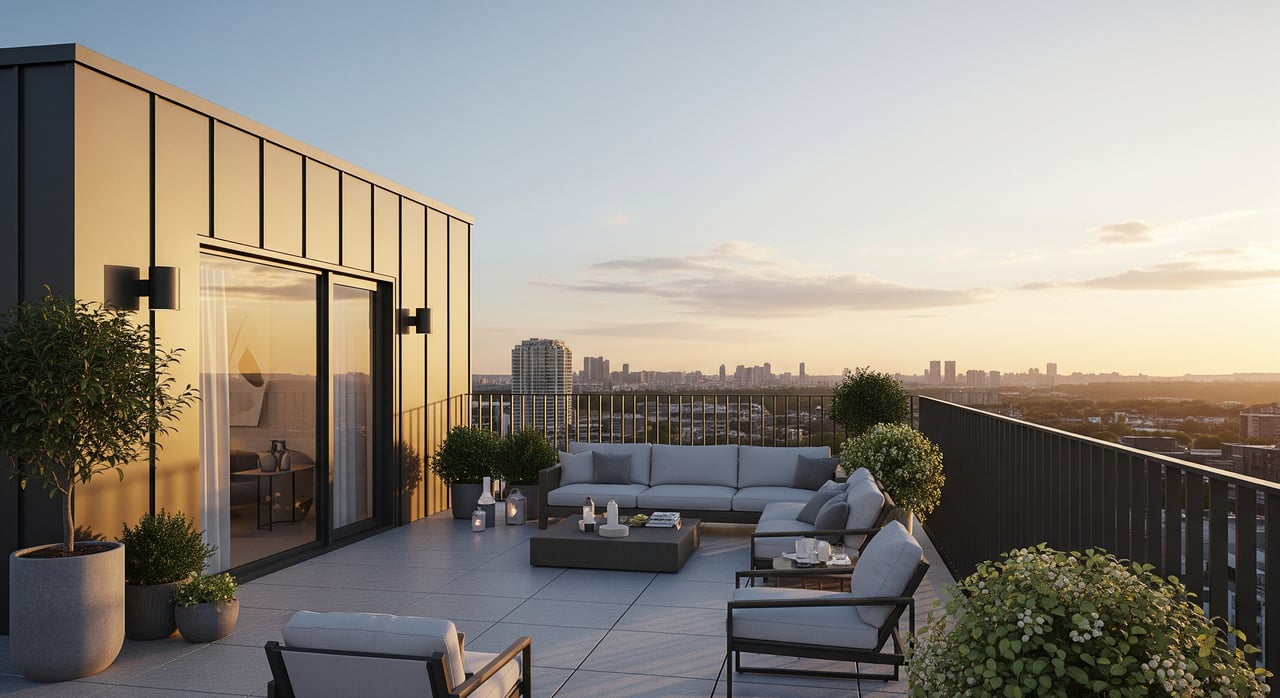
Eyeing a condo in Astoria and dazzled by the amenity list? Rooftops, gyms, lounges, and concierge services sound great, but not all of them are truly “included.” In this guide, you’ll learn what’s typically covered by monthly charges, what often comes with extra fees, how amenities impact your overall costs, which documents reveal the truth, and the exact questions to ask on tours. You’ll walk away ready to compare buildings by lifestyle fit and carrying costs with confidence. Let’s dive in.
Astoria building types and amenity norms
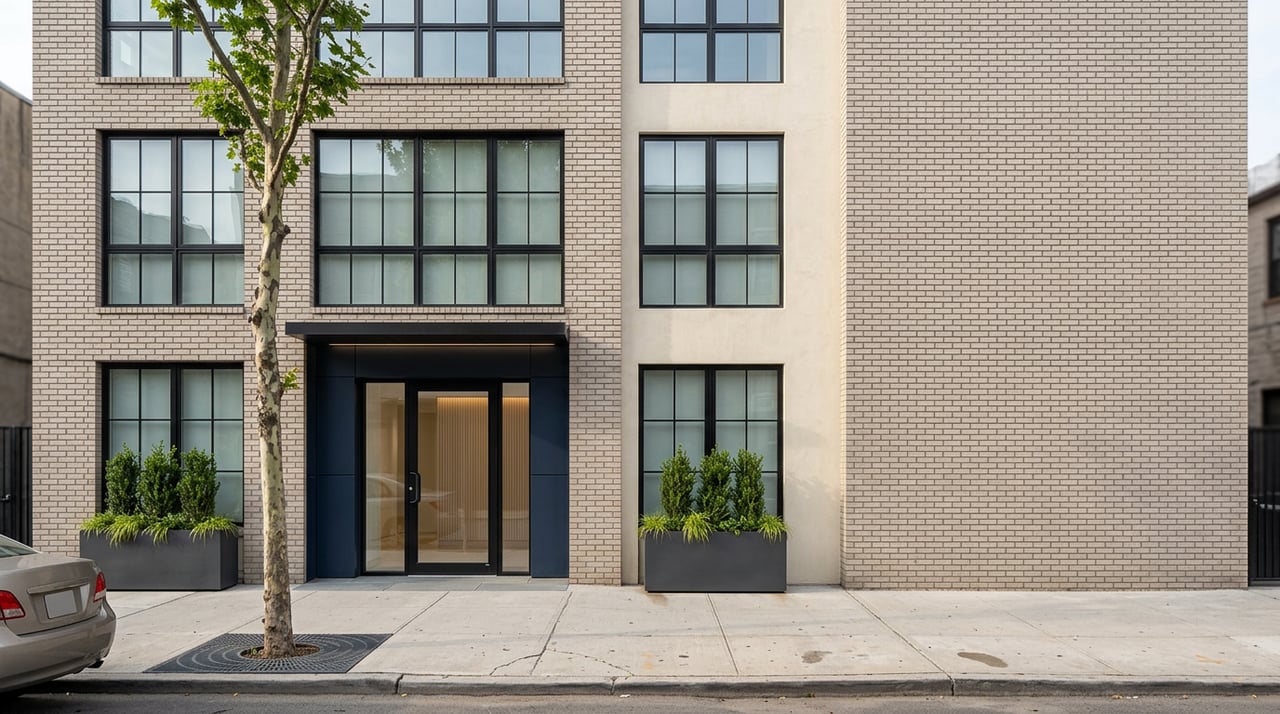
Astoria offers a wide mix of buildings, from older walk-ups and mid‑century co-ops with few shared spaces to newer condo developments with more lifestyle amenities. Newer or luxury-positioned buildings near major avenues and transit often highlight rooftops, fitness centers, lounges, landscaped areas, and concierge services. Older buildings usually keep it simple, which often means lower monthly charges.
Competition from nearby neighborhoods, including Long Island City, has encouraged Astoria developers to add amenities that deliver Manhattan-like convenience at more approachable prices. Current trends include better rooftop and outdoor spaces, smarter package rooms, and third‑party partnerships for fitness or package management. Those upgrades can improve daily living, but they also influence your monthly costs.
What “included” vs “extra” usually means
Common charges, maintenance, and assessments
In condos, your monthly payment is called common charges. In co-ops, it is maintenance. These payments fund building operations, staffing, insurance, utilities for common areas, and routine upkeep. A special assessment is a separate, time-limited charge to cover big-ticket projects or shortfalls, such as roof repairs or amenity renovations.
Amenities typically included in monthly fees
In Astoria, you can usually expect the following to be funded by monthly common charges or maintenance:
- Lobby and common-area upkeep
- Basic bike storage and building laundry
- Routine care of shared outdoor spaces and rooftop terraces
- Concierge or doorman staffing when present
- Package room operations during stated hours
These are building-wide services that benefit all owners. Even if you do not use every amenity daily, you still help fund them as part of your monthly payment.
Amenities that often carry separate fees
Some amenities are treated more like add-ons and may come with extra monthly or annual charges. Common examples include:
- Larger or professionally staffed gyms and premium fitness programming
- Private storage lockers or separate storage rooms
- Deeded or leased parking spaces
- Private roof cabanas or reserved outdoor areas
- Third‑party managed spa or fitness memberships
If a third party runs the amenity, there may be membership fees, pricing that can change, or rules that differ from the building’s general policies.
Reservation-based and pay‑per‑use
Party rooms, lounges, and rooftops are usually included, but you might pay reservation or cleaning fees for private events. Some buildings set usage limits, security deposits, or seasonal policies. Event fees can offset building costs, but you still want to know how often you will be able to book and what it will cost each time.
How amenities affect your monthly costs
More amenities generally mean higher monthly costs. Spaces that need staffing or special maintenance, such as a 24/7 concierge desk, elevators, or a heated pool, come with recurring expenses that show up in common charges or maintenance. Even if some amenities have separate user fees, they can still add overhead that impacts the whole building’s budget.
Amenities also create long-term obligations. Pools, rooftop decks, and fitness-center HVAC systems require capital repairs over time. If the reserve fund is underfunded, owners may face special assessments to cover major replacements. You should also consider insurance. Gyms, rooftops, and pools increase liability exposure, which can raise premiums for the building’s master policy.
Some buildings generate offsetting revenue through event rentals or commercial tenants, which may help stabilize common charges. On the flip side, poorly managed vendor contracts or rising staffing costs can push fees up. For taxes and financing, note that common charges and co-op maintenance are not treated the same as mortgage interest. Ask your tax advisor how to approach deductions for your situation.
Documents that reveal the facts
What to request for condos and co-ops
For condos, request the declaration, bylaws, house rules, offering plan for new or recent buildings, the current budget, recent financial statements, board meeting minutes from the past 6 to 12 months, insurance declarations, vendor contracts for fitness or package management, disclosures of any litigation, and a record of special assessments for the past 5 to 10 years.
For co-ops, ask for the proprietary lease, offering plan if applicable, financial statements, underlying mortgage details, board minutes, any reserve study, and maintenance allocation schedules. These items help you see what is included, what is extra, and how financially prepared the building is for future amenity repairs.
What to look for inside those documents
In the declaration, bylaws, or proprietary lease, check whether amenities are common elements, limited common elements, or deeded to specific units. Confirm the board’s ability to change rules, close an amenity, or impose new fees, and whether a vote is required. In the budget and financials, look for line items related to amenity operations, reserve contributions set aside for capital needs, and whether any amenity revenue offsets costs.
In board minutes, scan for decisions about amenity repairs, vendor changes, complaints, fee changes, or any litigation tied to amenities. In vendor contracts, note term length, termination clauses, and whether the vendor can change pricing without board approval. For new developments, the offering plan should list promised amenities and whether the sponsor can modify them.
Where to verify building work
If a rooftop addition, pool, or other major amenity was built or renovated, you can check New York City Department of Buildings records for permits and inspections. To confirm whether a parking space or storage unit is deeded to a unit, review official deed and property records. Your attorney and agent can help you interpret these filings.
Tour checklist: what to look for and ask
Quick visual checks
- Are amenities open, furnished, and in active use during posted hours?
- Is equipment in good condition and the space clean and well maintained?
- Are access points working, and do you understand how guests access amenities?
- Is the package room staffed or locker system functioning during advertised hours?
Questions to ask on site or soon after
- Is this amenity included in common charges or is there a separate fee or membership?
- Are any amenities run by a third-party vendor? Can owners opt out, and what are the contract terms?
- Have there been special assessments in the last five years? Are any planned for amenity repairs or upgrades?
- How do reservations work for rooftops or party rooms? Are there fees, deposits, or limits on usage?
- Are any amenities deeded or considered limited common elements, such as parking or storage?
- What are the hours, guest policies, and any membership limits?
- Is there a reserve study and is the reserve considered adequate relative to the building’s amenities?
- Are there any disputes or litigation involving amenities or vendors?
- How are deliveries handled, including oversized packages or off-hours?
- If you rent your unit, what is the policy on renter access to amenities? Are any extra fees involved?
Red flags to follow up on
- Amenities advertised as “coming soon” without clear timing or documentation
- Vendor contracts with long minimum terms and rising fee schedules
- Repeated board minutes showing unresolved amenity repairs or vendor issues
- Unusually low monthly charges for a building with many high-cost amenities
If you see any of these, request the underlying documents and ask your attorney to weigh in.
Amenity-by-amenity guide in Astoria
Gyms and fitness centers. In older buildings, gyms are often small and included. In newer or luxury buildings, larger or staffed facilities may carry separate fees or third‑party memberships. Ask about guest policies and whether classes or training cost extra.
Rooftops and outdoor spaces. Many new Astoria condos feature roof terraces or courtyards. Day-to-day access and upkeep are usually included, but private cabanas, grills, or event bookings may require reservations, deposits, or fees. If a roof was added or renovated, verify permitting and final inspections.
Lounges and party rooms. Generally included, with rules for private events. Expect reservation systems, deposits, and sometimes proof of insurance for larger gatherings.
Package rooms and concierge. Staffing for package acceptance is typically funded through monthly charges. Some buildings add automated lockers or work with third‑party package services, which may introduce separate fees.
Parking and storage. These are often deeded or leased separately and billed outside your monthly common charges. Parking can involve separate taxes or fees, and storage lockers often have monthly charges or separate purchase costs.
Pools, saunas, and rooftop kitchens. Less common in Astoria due to high operating costs. When present, expect higher monthly charges or user fees, plus seasonal or lifeguard requirements.
Business centers, co-working rooms, and pet-wash stations. Increasingly common in newer buildings. Policies often include reservations or modest usage fees.
Bike rooms and repair stations. Typically included, but capacity can be limited. Ask how spots are allocated and whether a waitlist exists.
Compare condos by lifestyle fit and carrying costs
Use this simple framework to compare buildings on your shortlist:
Map your lifestyle priorities. If you host often, focus on rooftops and lounge reservation rules. If fitness matters, note whether the gym is staffed or third‑party run. If you shop online, confirm package room hours and locker capacity.
Calculate total monthly outlay. Combine mortgage, common charges or maintenance, known amenity fees, and predictable extras like parking or storage. Add a buffer for typical increases and potential special assessments based on the building’s reserve posture.
Read the record. Review budgets, financials, reserves, minutes, vendor contracts, and the offering plan for any “to be completed” amenities. Verify permits and deeded elements where relevant.
Pressure-test access. Confirm hours, guest rules, reservation limits, and any owner-versus-renter priority. Decide whether the real, everyday access matches the marketing.
Compare apples to apples. A building with a modest, included gym and an open-access roof might deliver more value than a flashy, separately billed amenity suite that adds recurring costs.
Final thoughts: getting clear before you commit
Amenities can elevate your quality of life in Astoria, but they work best when you know exactly what you are paying for and how you can use them. Focus on the details behind the marketing: funding structure, vendor contracts, reserve strength, and access rules. With the right questions and documents, you can choose a building that fits your lifestyle and protects your budget.
If you want help evaluating amenity packages, reading budgets, and structuring offers in Astoria, connect with The Horizon Team for a personalized consultation.
FAQs
In Astoria condos, are gyms usually included or extra?
- Smaller fitness rooms are often included in monthly charges, while larger or staffed gyms in newer buildings commonly carry separate fees or third‑party memberships.
How do amenities impact my monthly common charges or maintenance?
- Amenities that require staffing, utilities, or specialized maintenance tend to raise monthly costs, and they also increase future reserve needs that can lead to special assessments.
What documents confirm whether an amenity is included or fee-based?
- Review the declaration or proprietary lease, bylaws, house rules, current budget and financials, offering plan for new buildings, board minutes, and any vendor contracts tied to the amenity.
How can I verify a rooftop or pool was properly permitted in NYC?
- Check New York City Department of Buildings records for permits and inspections related to rooftop additions, pools, or structural amenity work.
If I rent out my unit, can my tenants use the amenities?
- Policies vary by building. Ask whether renters have access, if there are guest or renter fees, and whether any amenities are restricted to owners.