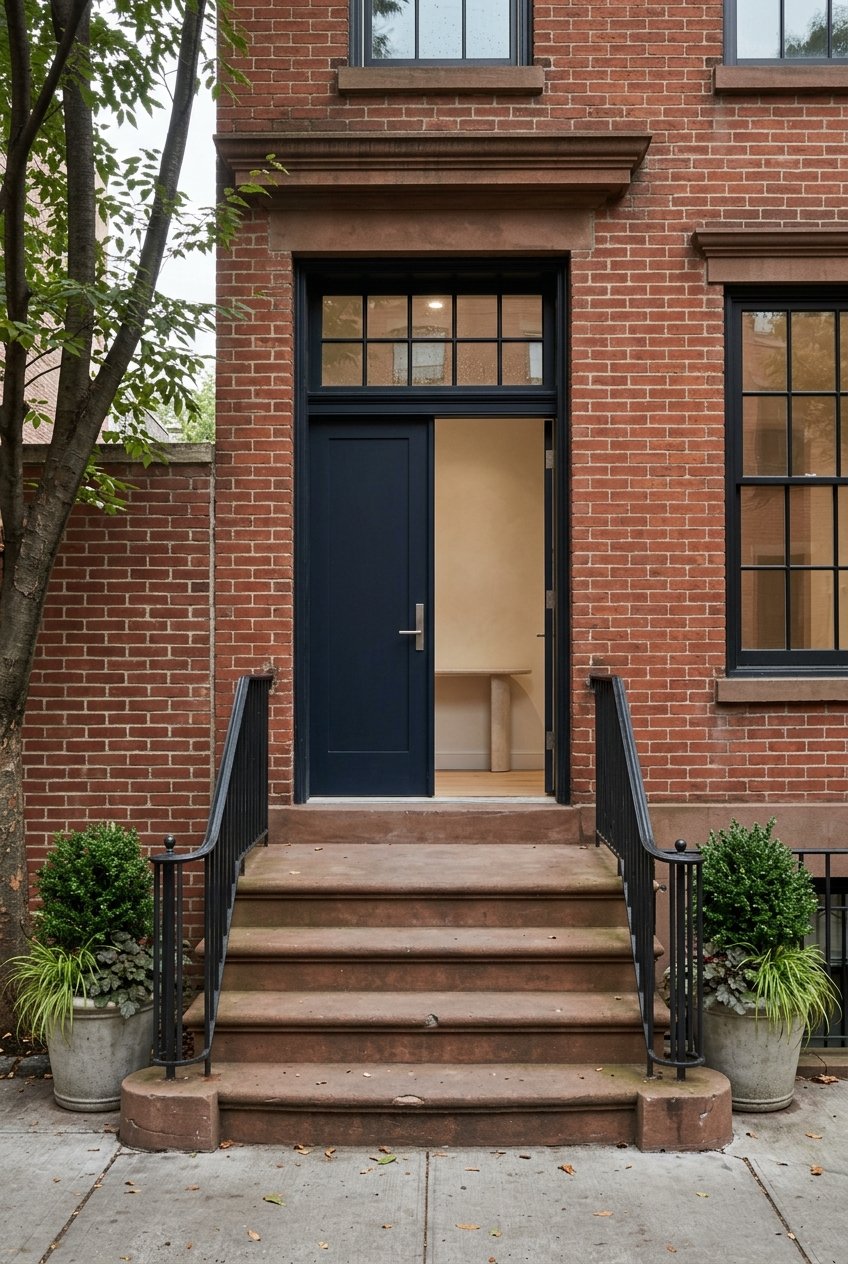
If you picture Bedford-Stuyvesant as nothing but postcard-perfect brownstones, you are only seeing part of the story. Bed-Stuy has the stoops, tree-lined blocks, and neighborhood cafés many buyers and renters want, but it also has a broader housing mix, strong transit access, and a daily rhythm shaped by parks, culture, and community institutions. If you are thinking about making a move here, this guide will help you understand what living in Bed-Stuy can actually look like. Let’s dive in.
What Bed-Stuy Feels Like
Bedford-Stuyvesant is one of Brooklyn’s largest neighborhoods, with 177,040 residents in 2023 according to the Furman Center. It is historically rooted and still evolving, with a population that reflects a mix of Black, White, Hispanic, and Asian residents. That mix helps explain why the neighborhood can feel both deeply established and actively changing at the same time.
The area is also significant in New York City history. The Landmarks Preservation Commission notes that Black migration in the 1950s and 1960s helped Bed-Stuy become the largest Black community in New York City, and HPD continues to describe it as a historically Black neighborhood undergoing rapid change. For you as a buyer or renter, that means you are looking at a place with a strong identity, not a neighborhood that feels generic or interchangeable.
Brownstones Define the Look
When people think of Bed-Stuy, they often think of brownstones first. That image is grounded in reality. The neighborhood is well known for historic three- to four-story brownstones with stoops and small front yards, and the 2024 Willoughby-Hart Historic District designation highlights neo-Grec row houses faced in brownstone.
These streetscapes give parts of Bed-Stuy a classic Brooklyn look that feels both architectural and personal. Stoops, row house facades, and lower-scale residential blocks shape the visual character in a way many people find appealing. If your goal is to live somewhere with a distinct sense of place, this is one of the neighborhood’s strongest draws.
Housing Options Go Beyond Brownstones
The brownstone image is important, but it is not the whole housing story. Official planning and housing data show that Bed-Stuy also includes apartment houses, mid-rise and high-rise buildings, 1-family homes, 2-4 family buildings, condos, and larger multifamily properties. That wider mix matters if you are trying to match your budget, lifestyle, or ownership goals to a specific type of home.
For some buyers, a townhouse or small multi-family property may be the right fit. For others, a condo or apartment building may offer a more practical entry point. If you are renting, the neighborhood’s broader housing stock means your options are not limited to a single property type.
Bed-Stuy Is Still a Renter-Heavy Market
Furman Center data shows 76,256 housing units in Bed-Stuy in 2023, with a homeownership rate of 23.0%. That points to a market where renting plays a major role in everyday housing choices. If you are entering the neighborhood as a renter first, that is very much in line with how many residents live here.
At the same time, the rental market is relatively tight. The median rent was $2,070 in 2023, and the rental vacancy rate was 2.3%. In practical terms, if you are planning to rent in Bed-Stuy, it helps to be prepared, move quickly when the right listing appears, and work with a team that understands neighborhood-level inventory and timing.
New Housing Has Expanded the Mix
Bed-Stuy has added housing in recent years, which has helped broaden its inventory. From 2010 to 2024, the neighborhood added 9,361 housing units, including 6,986 market-rate units and 2,371 income-restricted units, according to the Furman Center. That growth reinforces the idea that Bed-Stuy is not frozen in time.
For you, this can mean a wider range of building styles, layouts, and price points than the neighborhood’s image alone might suggest. Some homes will deliver classic architectural details, while others may reflect more recent construction or updated interiors. The result is a neighborhood where history and change sit side by side.
Daily Life Centers on Local Corridors
Much of Bed-Stuy’s daily activity runs through Fulton Street and Broadway. NYC Planning identifies these as the neighborhood’s primary commercial corridors, with smaller commercial activity extending across the north and south avenues. That creates a lifestyle that feels neighborhood-scaled rather than centered on one single destination strip.
For day-to-day living, that can be a real advantage. Instead of relying on one area for everything, you are more likely to move through a network of local blocks for coffee, errands, food, and transit. That kind of rhythm often feels more integrated into everyday life.
Cafés Add to the Neighborhood Pace
Bed-Stuy’s café scene fits that local pattern. A city directory lists Butch & Coco Cafe on Howard Avenue as a small neighborhood café offering coffee, food service, and delivery. While one café does not define the whole area, it supports a broader picture of casual, everyday dining woven into the neighborhood fabric.
If you are someone who values walkable routines, this matters. A nearby coffee stop, a quick breakfast option, or a place to work for an hour can shape how connected you feel to where you live. In Bed-Stuy, that experience tends to feel grounded in the neighborhood itself.
Culture Is Part of the Rhythm
Bed-Stuy is not only about housing and coffee. Community and culture play a visible role in the area’s identity. The Billie Holiday Theatre on Fulton Street hosts performances and local events, while Weeksville Heritage Center serves as a historic site and cultural center in Central Brooklyn.
These institutions add depth to everyday life. They help make the neighborhood feel lived-in and active, not just residential. If you are looking for a place with both local character and cultural presence, Bed-Stuy offers that combination.
Wellness and Food Access Matter Too
Another useful part of the Bed-Stuy lifestyle is access to neighborhood-based wellness programming. The Bedford Health Center on Throop Avenue offers Fresh Food Fridays farmers market programming, nutrition classes, and other public health activities. That adds a practical layer to what convenience can mean in the neighborhood.
For you, lifestyle is not just about restaurants or transit. It can also mean access to community services, fresh food programming, and resources that support your routine. In Bed-Stuy, those features are part of the broader day-to-day picture.
Parks Support Everyday Outdoor Life
Outdoor space in Bed-Stuy tends to be local and woven into daily routines. City sources point to events at Herbert Von King Park and Hattie Carthan Community Garden, along with renovated green tennis courts at Jackie Robinson Park Playground. These are the kinds of places that support walking, casual recreation, and neighborhood events.
That can make a difference if you want a home base where outdoor time feels easy to access. You may not be moving here for one giant park experience. Instead, you are more likely to enjoy a network of community-scaled green spaces that fit naturally into the week.
Transit Is a Major Advantage
One of Bed-Stuy’s clearest lifestyle strengths is transit access. NYC Planning says the neighborhood is served by the A and C trains along Fulton Street, the J and Z along Broadway, the G along Lafayette Avenue, multiple bus routes, and a Long Island Rail Road station near Nostrand and Atlantic Avenues. That level of connectivity gives many residents the option to live car-light.
MTA line maps also confirm neighborhood-area stops along those corridors, including Franklin Av, Nostrand Av, Kingston-Throop Avs, and Utica Av on the A/C line; Kosciuszko St, Gates Av, Myrtle Av, and Marcy Av on the J/Z line; and Bedford-Nostrand Avs and Clinton-Washington Avs on the G along the western edge. If your priorities include flexibility and access across Brooklyn and beyond, Bed-Stuy checks an important box.
Bus Access Adds Flexibility
Subway access is only part of the picture. The B44 Select Bus Service runs along Nostrand, Rogers, and Bedford Avenues, and the B15 connects Bedford-Stuyvesant to JFK AirTrain service. That gives you added options for commutes, airport access, and cross-neighborhood travel.
In practical terms, Bed-Stuy often works best as a subway-plus-bus neighborhood. If you are comparing Brooklyn areas based on daily mobility, that combination can be a real benefit. It supports a routine that does not need to revolve around driving.
Who Bed-Stuy Often Works Well For
Bed-Stuy can appeal to a wide range of buyers and renters because the neighborhood offers more than one living experience. Depending on the block and building type, you may find a classic brownstone setting, a condo lifestyle, or a more apartment-focused routine near major transit. That flexibility is one reason the neighborhood continues to draw attention.
You may find Bed-Stuy especially appealing if you are looking for:
- Historic residential streets with recognizable Brooklyn architecture
- A mix of rental and purchase options
- Local cafés and neighborhood commercial corridors
- Community institutions and cultural spaces
- Strong subway and bus access for a car-light lifestyle
What to Keep in Mind Before You Move
Like many sought-after Brooklyn neighborhoods, Bed-Stuy rewards preparation. The low rental vacancy rate suggests competition for available rentals, and the wide housing mix means your experience can vary a lot depending on the specific property and location. It helps to be clear about what matters most to you, whether that is transit, outdoor space, architecture, or building type.
If you are buying, renting, or evaluating an investment property, neighborhood-level guidance can make the search much more efficient. Bed-Stuy is large, active, and layered, so local context matters. The more precisely you define your priorities, the easier it becomes to narrow in on the right fit.
Bedford-Stuyvesant offers something increasingly hard to find in New York City: a neighborhood with a strong visual identity, a lived-in daily rhythm, and real transit convenience, all within a housing market that includes more variety than its famous brownstones might suggest. If you want a Brooklyn neighborhood that feels historic, practical, and still in motion, Bed-Stuy deserves a closer look.
If you are exploring Bed-Stuy as a buyer, renter, seller, or investor, The Horizon Team can help you navigate the neighborhood with a local, data-informed approach.
FAQs
What types of homes are common in Bedford-Stuyvesant?
- Bedford-Stuyvesant is known for historic brownstones and row houses, but the housing stock also includes 1-family homes, 2-4 family buildings, condos, apartment houses, and larger multifamily buildings.
Is Bedford-Stuyvesant a good neighborhood for renters?
- Bed-Stuy is a renter-heavy neighborhood, with a 23.0% homeownership rate and a 2.3% rental vacancy rate in 2023, which suggests strong rental demand and limited available inventory.
Can you live in Bedford-Stuyvesant without a car?
- Many residents can live car-light thanks to A, C, J, Z, and G subway access, multiple bus routes, and a nearby Long Island Rail Road station near Nostrand and Atlantic Avenues.
What gives Bedford-Stuyvesant its character?
- Bed-Stuy’s personality comes from its brownstone blocks, local cafés, commercial corridors like Fulton Street and Broadway, parks and gardens, cultural institutions, and strong transit connections.
What parks and outdoor spaces are in Bedford-Stuyvesant?
- Neighborhood outdoor spaces and programming include Herbert Von King Park, Hattie Carthan Community Garden, and renovated tennis courts at Jackie Robinson Park Playground.
Is Bedford-Stuyvesant still changing?
- Yes. Public sources describe Bed-Stuy as a historically rooted neighborhood that is still evolving, and housing data shows that thousands of units were added between 2010 and 2024.