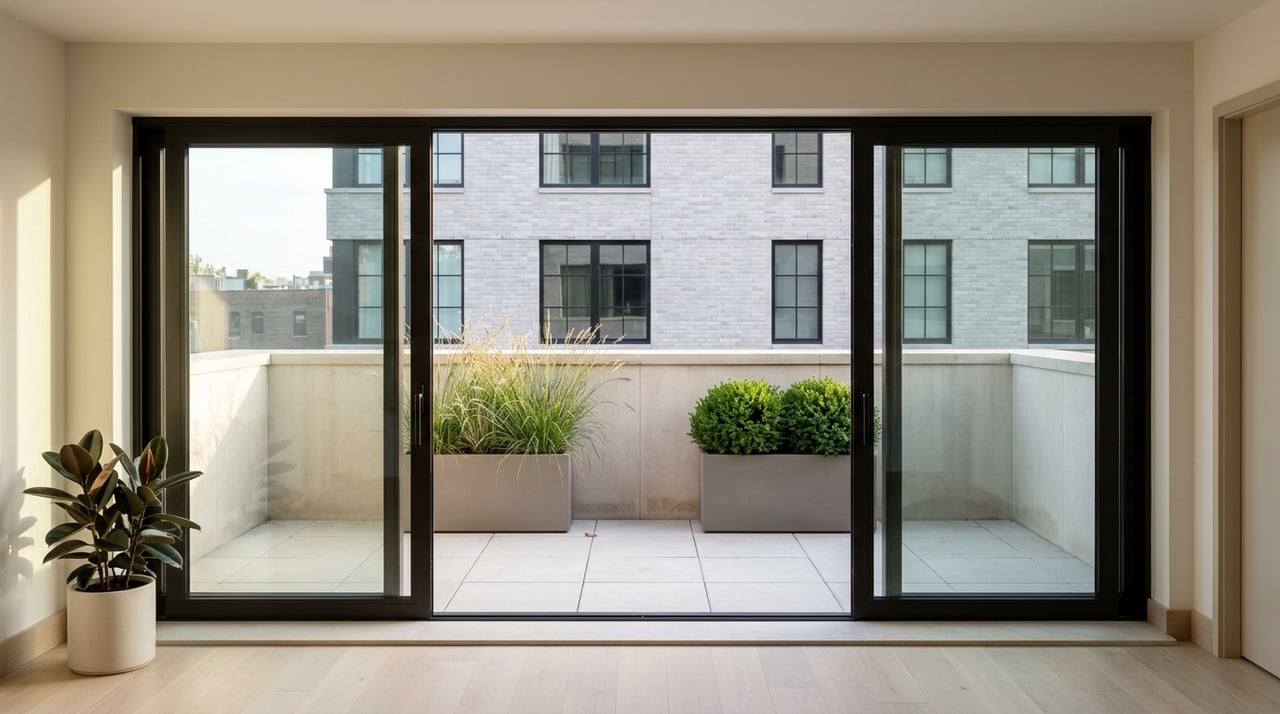
Trying to choose between Long Island City and Astoria for your next condo? It is a smart comparison, and not just because the neighborhoods sit close to each other. Each offers a different version of Queens condo living, from tower-style amenities and broad transit access in Long Island City to a more established street-level feel in Astoria. If you want to compare price, inventory, amenities, transit, and day-to-day lifestyle with a clear local lens, you are in the right place. Let’s dive in.
Long Island City vs Astoria at a Glance
If you start with the numbers, Long Island City is the pricier condo market and the deeper one for active listings. StreetEasy currently shows a median sale price of $950,000 in Long Island City versus $877,000 in Astoria. It also shows 258 condo sale listings in Long Island City compared with 141 in Astoria.
That difference matters if you want more choices, especially in newer buildings. Long Island City gives you a larger active condo pool to compare by price point, layout, views, and amenity package. Astoria still offers meaningful inventory, but the market is smaller and often feels more varied from block to block.
For rental context, StreetEasy lists median base rents of $4,320 in Long Island City and $3,000 in Astoria. While that is neighborhood-wide data rather than condo-only data, it helps frame the broader price environment around each market.
Condo Stock Feels Different
Long Island City skews newer
Long Island City reads as a more tower-centric, new-development-heavy condo market. StreetEasy lists 118 condo and condop buildings in the neighborhood, with active names like Skyline Tower, Radiant, HERO, GALERIE, Urban 21, and Lucent33 showing how strong the newer pipeline remains.
That can be appealing if you want modern finishes, newer systems, and larger buildings with a more vertical feel. Many buyers looking for a polished, move-in-ready condo experience start here for exactly that reason.
Astoria offers a broader mix
Astoria has a much broader age spread in its condo stock. StreetEasy lists 291 condo and condop buildings, including projects like East River Tower, Pistilli Grand Manor, The Industry, 12-15 Broadway, The Marina Astoria, Oasis, and NuSun Vernon.
In practice, that means Astoria often gives you more variation in building style, scale, and setting. Instead of one dominant tower identity, you are more likely to see a dispersed condo landscape with both established buildings and newer development mixed into the neighborhood fabric.
Amenities: What Do You Value Most?
Long Island City leads on scale
If amenities are high on your list, Long Island City usually has the edge in scale. Buildings like Radiant advertise concierge, doorman service, elevator access, laundry, package rooms, wheelchair access, a gym, a media room, and outdoor deck or garden space.
Skyline Tower pushes even further with a 75-foot temperature-controlled pool, sauna, whirlpool spa, steam room, social lounge with demo kitchen and terrace, children’s playroom, pet spa, business center, valet parking, and bicycle room. If you want a condo that feels closer to a full-service high-rise experience, Long Island City is often the stronger fit.
Astoria has narrowed the gap
Astoria is not simply the lower-amenity option anymore. Newer buildings such as NuSun Vernon offer concierge, doorman service, elevator access, parking, storage, a children’s playroom, a gym, and a roof deck.
The Openaire also includes doorman service, elevator access, parking, storage, a gym, and a roof deck. So while Long Island City still tends to win on resort-style extras and overall amenity scale, Astoria’s newer projects now offer many of the features condo buyers actively look for.
Transit Access: Breadth vs Simplicity
Long Island City offers a wider transit web
Transit is one of Long Island City’s biggest strengths. The neighborhood connects to the 7, E, G, and M trains through Court Square and nearby stations, plus the N and W at Queensboro Plaza. The Long Island City LIRR station also adds a subway connection at Vernon Boulevard-Jackson Avenue, a Q103 bus connection, and NYC Ferry access.
For buyers who care about flexibility, that network can be a major advantage. You are not relying on just one corridor, and that can make daily travel feel more adaptable.
Astoria keeps the commute straightforward
Astoria is well connected too, just in a different way. The neighborhood is more closely tied to the N and W line pattern, with stations like Astoria Boulevard and Broadway serving as key access points. Astoria Boulevard is also listed as ADA accessible, and the Astoria line was rebuilt and modernized from 2017 to 2021, including elevator installation at that station.
StreetEasy describes the Midtown commute as about 15 minutes on the N, R, W, or M. For many buyers, that still checks the box for a fast commute, even if the transit map is not as broad as Long Island City’s.
Lifestyle and Daily Rhythm
Long Island City feels more skyline-driven
Long Island City gives you a strong waterfront and skyline identity. Gantry Plaza State Park spans 12 acres and includes four piers, gardens, skyline views, basketball courts, playgrounds, handball courts, a fishing pier, and dog runs.
That setting can be a major draw if you picture your downtime around waterfront walks, open views, and a more high-rise urban atmosphere. The neighborhood’s industrial past still shapes parts of its feel, which can come across as more transitional and design-forward depending on where you look.
Astoria feels more street-level
Astoria Park is one of Astoria’s major anchors and gives the neighborhood a different kind of outdoor identity. NYC Parks notes that it includes the city’s oldest and largest pool, plus tennis courts, a track, trails, basketball courts, playgrounds, and East River views.
StreetEasy frames Astoria as busier, more food-centric, and more rooted in residential side streets with low-key nightlife. If your ideal condo experience includes strong street life, local restaurants, and a neighborhood rhythm that feels a little more established, Astoria may feel more natural.
Which Condo Buyer Fits Long Island City?
Long Island City may fit you best if you want:
- Newer condo product and active new development
- Larger amenity suites and more full-service buildings
- High-rise living and skyline or water views
- A broader transit network with subway, LIRR, and ferry access
- More active condo listings to compare at one time
This market often works well for buyers who want a polished building experience and are willing to pay more for newer inventory, convenience, and amenity depth.
Which Condo Buyer Fits Astoria?
Astoria may fit you best if you want:
- A lower typical neighborhood price point
- A more established neighborhood feel
- Strong park access and street-level daily life
- Condo options across a wider mix of building ages
- Newer luxury buildings without always paying Long Island City pricing
Astoria can be especially appealing if you want a condo that balances lifestyle and value while still giving you access to newer buildings with modern features.
A Practical Way to Decide
If you are torn between the two, start by ranking your top three priorities. For most condo buyers, the decision comes down to some mix of budget, building style, amenities, and commute.
If your list starts with doorman service, extensive amenity space, and transit flexibility, Long Island City is usually the first place to focus. If your list starts with neighborhood feel, park access, food options, and a somewhat lower price point, Astoria often becomes the stronger contender.
The good news is that this does not have to be an either-or decision right away. Touring both markets side by side can quickly clarify what feels worth the premium and what feels like the better everyday fit for your lifestyle.
Whether you are comparing new-development condos, resale opportunities, or a mix of both, The Horizon Team can help you evaluate Long Island City and Astoria with a tailored, data-informed strategy.
FAQs
Which neighborhood has higher condo prices, Long Island City or Astoria?
- StreetEasy currently shows a median sale price of $950,000 in Long Island City compared with $877,000 in Astoria, making Long Island City the higher-priced market.
Which neighborhood has more condo listings, Long Island City or Astoria?
- Long Island City currently has more active condo inventory, with 258 condo sale listings versus 141 in Astoria on StreetEasy.
Which neighborhood offers better condo amenities, Long Island City or Astoria?
- Long Island City generally offers larger and more extensive amenity packages, while Astoria’s newer buildings increasingly include features like doorman service, gyms, parking, storage, and roof decks.
Which neighborhood has better transit access for condo buyers, Long Island City or Astoria?
- Long Island City has the broader transit network, with access to the 7, E, G, M, N, and W, plus LIRR and ferry connections, while Astoria is more centered on the N and W lines.
Which neighborhood feels more established for condo living, Long Island City or Astoria?
- Astoria is generally the more established-feeling neighborhood, with a stronger street-level food and park culture, while Long Island City feels more tower-driven and new-development oriented.
Which park is a major lifestyle draw in Long Island City and Astoria?
- Gantry Plaza State Park is a major draw in Long Island City, while Astoria Park is a major outdoor anchor in Astoria.