Selling a Bedford-Stuyvesant brownstone is rarely as simple as tidying up and picking a list date. Buyers are often drawn to these homes for their charm and character, but they also pay close attention to condition, compliance, and how easily they can understand what they are buying. If you want to protect value and reduce surprises, the right prep plan can help you showcase the home’s strengths and smooth out avoidable issues before your listing goes live. Let’s dive in.
Know what Bed-Stuy buyers see
Bedford-Stuyvesant is a large Brooklyn neighborhood with an active housing market, but not every property should be measured against the same standard. NYU Furman Center data for 2025 showed a median sales price per unit of $1.495 million for 1-family buildings, $725,000 for 2-4 family buildings, and $960,000 for condominiums. That matters because a brownstone should be positioned against the closest property type, not a broad Brooklyn average.
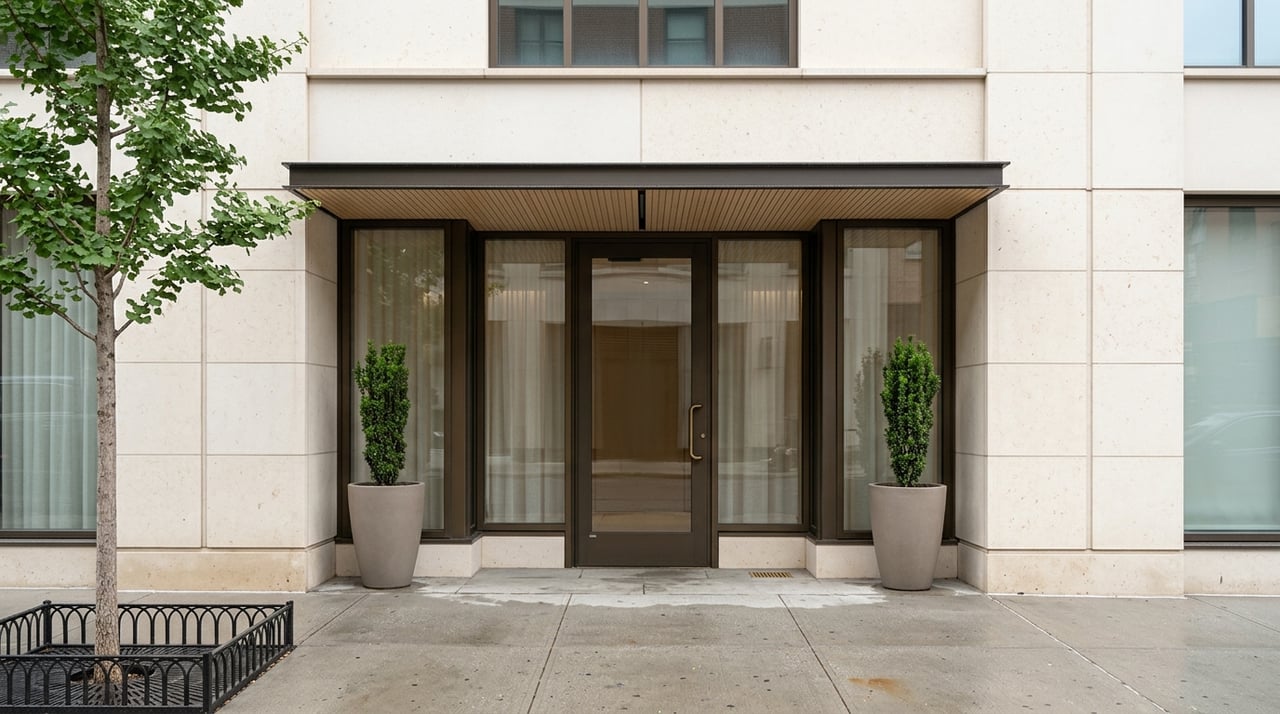
Buyer expectations also reflect the neighborhood’s historic housing stock. Local designation reports from the Landmarks Preservation Commission describe long blocks of intact brick and brownstone rowhouses, along with stoops and ironwork that shape the area’s architectural identity. In practical terms, you are often selling both the home itself and the experience of living in a classic Bed-Stuy rowhouse.
Start with repairs, not a full remodel
For most sellers, the smartest first move is to fix what looks neglected. National buyer research for 2025 found that buyers often choose existing homes for value, price, and charm, but condition is also one of the most common compromises they make. That means visible deferred maintenance can weaken the appeal that makes a brownstone stand out.
A repair-first strategy usually makes more sense than a remodel-first strategy. Focus on patching peeling paint, addressing leaks or water stains, making sure doors and windows open and close smoothly, tightening railings, repairing stoop details, cleaning masonry, and servicing older mechanical systems. The goal is to make the home feel cared for while preserving the details that give it character.
Preserve original character where you can
In Bed-Stuy, period detail is often part of the value story. Brownstone facades, stoops, ironwork, and original interior features can help a home feel distinctive in a way that generic updates cannot. Buyers who are drawn to this housing type are often looking for that balance of history and livability.
That does not mean leaving every older feature untouched. It means being selective and thoughtful. If you update, aim for work that supports function and presentation without stripping away the elements that make the property feel like a Bed-Stuy brownstone.
Check landmark status before exterior work
Before you schedule facade work, new windows, or exterior alterations, confirm whether your property is in a historic district. The Landmarks Preservation Commission says its Discover NYC Landmarks map should be used to verify district boundaries, and Bedford-Stuyvesant includes multiple designated historic areas. This step is worth doing early, especially if your marketing plans depend on recent exterior improvements.
If the property is landmarked or located within a historic district, many exterior changes require LPC review before work begins. LPC notes that some ordinary maintenance may not need a permit, including repainting the exterior the same color, replacing broken window glass, caulking around windows and doors, or low-pressure cleaning. But restoration, alteration, reconstruction, demolition, and new construction affecting the exterior generally do require review.
Clear city record issues early
One of the most common ways a sale gets more complicated is through open violations or unresolved record problems. The New York City Department of Buildings says open violations appear in a title search and can prevent selling or refinancing. The Department of Transportation says sidewalk violations may also complicate a sale or refinance, and HPD provides an online process for checking and certifying correction of open violations.
For that reason, it is smart to review DOB, HPD, and sidewalk records well before your target list date. If there are open issues, you want time to understand them, correct them, and document the correction. A cleaner record can reduce friction during buyer due diligence and help keep your timeline on track.
Address lead paint disclosures if needed
If your brownstone was built before 1978, lead paint should be part of your prep plan. The EPA says the Lead-Based Paint Disclosure Rule applies to most pre-1978 housing and requires sellers and agents to disclose known information before contract, provide the federal pamphlet, and give buyers a 10-day period to inspect or assess unless that period is waived.
This is especially relevant for older Brooklyn rowhouses. The EPA also notes that 87% of homes built before 1940 contain some lead-based paint. You do not need to panic, but you do need to be organized, transparent, and ready with the right disclosures as part of the sale process.
Consider energy updates carefully
Selective energy-efficiency improvements can help, especially when buyers are thinking about operating costs. Buyer-facing sustainability research in 2025 showed strong interest in features such as windows, doors, siding, and heating and cooling costs. Highlighting efficient features can add value when they are documented clearly and presented in a practical way.
For a Bed-Stuy brownstone, though, exterior upgrades should be approached carefully. If your property is landmarked, any exterior change may need LPC review before work begins. In many cases, the best path is to focus on sensible improvements that support comfort and operating efficiency without creating compliance issues.
Declutter before you stage
Presentation matters because most buyers start their search online. In 2025 buyer research, 83% of buyers rated listing photos as very useful, 79% valued detailed property information, 57% wanted floor plans, and 41% valued virtual tours. That means your home needs to read clearly on a screen before a buyer ever visits in person.
Start by decluttering and simplifying each room. Remove excess furniture, clear surfaces, and make circulation obvious. In a brownstone, space can read very differently depending on layout, ceiling height, and natural light, so visual clarity is essential.
Focus staging on key rooms
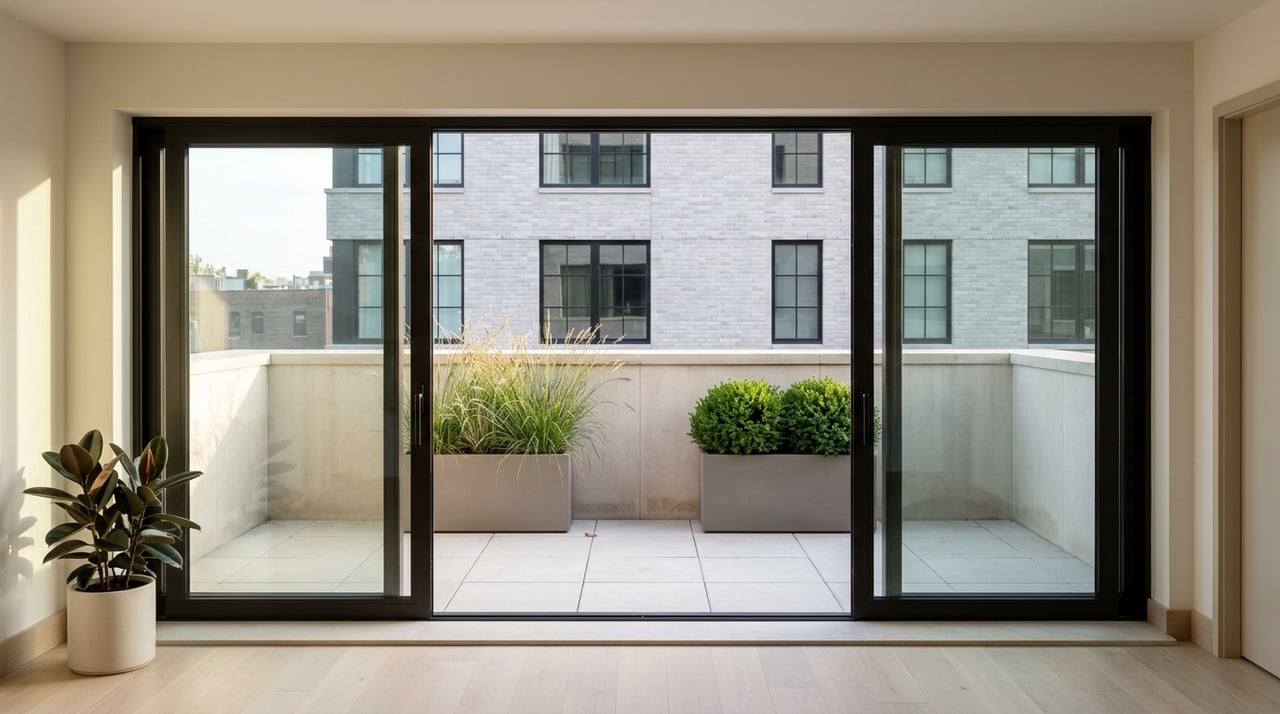
If you stage, put your budget where buyers tend to focus most. NAR’s 2025 staging study found that the living room, primary bedroom, and dining room were the most commonly staged spaces. Those are the rooms that often shape a buyer’s first impression and help them picture how the home functions day to day.
You do not need to stage every room equally. In many cases, a more focused approach delivers a stronger return. For a brownstone, that usually means emphasizing the parlor floor, main entertaining spaces, and any room with standout architectural detail.
Build a listing package that explains the home
A strong listing package does more than make the property look attractive. It helps buyers understand room count, layout, scale, and how the home compares to other options. This is especially important in a rowhouse market, where two homes with similar square footage can feel very different in person.
Your marketing materials should present the stoop, parlor floor, natural light, ceiling height, and any outdoor space honestly and clearly. Floor plans and detailed property information can be especially useful because they turn architectural character into something buyers can evaluate. Good materials reduce guesswork and can attract more serious interest from the start.
Plan your timeline backward
It is tempting to choose a list date first and figure out prep later. For a Bed-Stuy brownstone, that can create avoidable stress. Permit review, repairs, city-record cleanup, lead-related preparation, staging, and photography can all take time.
A better strategy is to work backward from your ideal launch window. Give yourself room for inspections, contractor scheduling, document gathering, and any city or LPC-related steps that may come up. When your prep is orderly, your launch is more likely to feel polished and well timed.
What a smart prep plan looks like
If you want a practical checklist, keep it simple and strategic:
- Confirm the property type you should be comped against
- Review condition and fix visible defects first
- Preserve original details where possible
- Check historic district or landmark status before exterior work
- Review DOB, HPD, and sidewalk records for open issues
- Prepare lead paint disclosures if the home is pre-1978
- Consider selective efficiency upgrades carefully
- Declutter and stage the rooms buyers notice most
- Create clear photos, floor plans, and detailed listing information
- Start the process well before your desired list date
In Bedford-Stuyvesant, the strongest listings usually tell a clear story. They show character, signal care, and remove as much uncertainty as possible. When your brownstone is well prepared, buyers can focus on what makes it special instead of worrying about what might be hiding behind the walls or in the public record.
If you are thinking about selling a Bedford-Stuyvesant brownstone, The Horizon Team can help you build a prep and pricing strategy that fits the property, the market, and your timeline.
FAQs
What repairs matter most before selling a Bedford-Stuyvesant brownstone?
- The most important pre-sale repairs are usually visible condition issues such as peeling paint, leaks, water stains, sticking windows or doors, loose railings, worn stoop details, masonry cleaning, and servicing older mechanical systems.
How do you check if a Bed-Stuy brownstone is in a historic district?
- The New York City Landmarks Preservation Commission says you should use its Discover NYC Landmarks map to confirm whether a property falls within a historic district boundary.
Do Bedford-Stuyvesant brownstone sellers need to fix open violations before listing?
- Open violations can appear in title searches and may complicate selling or refinancing, so it is wise to review DOB, HPD, and sidewalk records early and address issues before the home goes on the market.
What should sellers know about lead paint in older Brooklyn brownstones?
- For most homes built before 1978, sellers must disclose known lead-based paint information before contract, provide the required pamphlet, and allow a 10-day inspection period unless it is waived.
Is staging worth it for a Bedford-Stuyvesant brownstone sale?
- Staging can help buyers visualize the home more easily, and the most useful rooms to focus on are typically the living room, primary bedroom, and dining room.
When should you start preparing a Bed-Stuy brownstone for sale?
- It is best to start well ahead of your target launch date because repairs, record checks, lead-related preparation, staging, photography, and possible permit or LPC review can all affect timing.