If you are looking at Bushwick as a small rental investor, the hardest part is not finding rent data. It is knowing which numbers actually matter. In a neighborhood with older housing, a high share of renters, and a growing mix of amenity-rich buildings, broad averages can mislead you fast. This guide will help you read Bushwick’s rental market more clearly so you can underwrite with more confidence. Let’s dive in.
Why Bushwick Needs a Nuanced Read
Bushwick is a renter-heavy neighborhood with strong transit access and a housing stock shaped by older buildings. According to NYC Planning’s Bushwick neighborhood update, the study area has about 121,000 residents, roughly 16,000 jobs, and access to the J, M, Z, and L trains plus nine bus routes. The same report notes that about 90% of households are renters.
That matters because Bushwick is not a one-number market. More than half of apartments are in buildings with fewer than six units, and nearly 80% of buildings were built before 1947. For a small investor, that means building age, condition, and legal status can affect performance just as much as location.
NYC Planning also reports that only about 26% of households are in rent-stabilized apartments. In practice, that means you should not assume every older building follows the same rent rules. Each property needs its own review.
What Current Bushwick Rents Show
If you want a broad benchmark, RentCafe’s April 2026 Bushwick data puts the neighborhood’s average rent at $3,381. It reports average rents of $2,862 for studios, $3,290 for one-bedrooms, and $3,960 for two-bedrooms. That dataset is weighted more toward larger buildings, so it is useful, but not perfect for small-building analysis.
StreetEasy offers another useful lens. Its Bushwick neighborhood page shows a median base rent of $3,495. Since StreetEasy is based on active listings and base rent, it can reflect a different slice of the market than broader building-level averages.
That gap is important. If you own or are buying a two- to five-unit building, the asking rents you see in live listings may not line up neatly with larger-building averages. Bushwick requires you to compare multiple data points instead of relying on a single headline number.
How to Read the Rent Ladder
Current listing patterns suggest a rent ladder that looks something like this:
- Studios: often in the low $3,000s in newer buildings, while RentCafe’s broader average is $2,862
- One-bedrooms: commonly in the low-to-mid $3,000s, with RentCafe’s average at $3,290
- Two-bedrooms: often in the low-to-mid $3,000s for older or less amenitized stock, with newer product pushing above $4,000 and RentCafe’s average at $3,960
- Three-bedrooms: a wider spread, from the high $2,000s into the $4,000s and above depending on layout, finish, and building type
For a small investor, this tells you something simple but important. Unit type alone does not set the rent. Finish level, building style, and amenity package can change the result meaningfully.
Inventory Is Active, but Not All Listings Compete Equally
StreetEasy’s current Bushwick rental inventory shows an active market with about 24 studios, 77 one-bedrooms, 104 two-bedrooms, and 97 three-bedrooms listed. On the surface, that looks like plenty of competition. But the real story is in how those units are positioned.
Many newer listings advertise concessions such as one month free, two months free, or even three months free on 12- to 14-month terms. That means the headline rent may not be the same as the actual first-year income. For a small building, that difference can have a direct effect on yield.
This is one of the easiest underwriting mistakes to make in Bushwick. If you underwrite to gross asking rent instead of net effective rent, your numbers may look stronger on paper than they will in practice.
Why Vacancy Should Be Read Carefully
There is no official Bushwick-only vacancy rate that works like a neighborhood scorecard. The strongest official benchmark comes from New York City’s 2023 Housing and Vacancy Survey, which found a 1.41% net rental vacancy rate citywide. The same data, as analyzed by the NYC Comptroller, showed 0.98% vacancy for rent-stabilized units citywide.
The takeaway is not that every Bushwick unit will lease instantly. It is that the broader city rental market remains tight, especially at lower price points. In Bushwick, well-priced and well-finished units tend to benefit from that larger supply picture.
At the same time, the current listing environment suggests that some higher-end stock is competing harder. The presence of concessions in newer buildings points to a split market where strong demand exists, but premium product still needs careful pricing.
Amenities Matter More Than Many Investors Expect
Bushwick’s current rental competition is not just about square footage. Public listings show repeated demand for features like:
- Elevator access
- Doorman or concierge service
- Gym
- Roof deck or shared outdoor space
- Package room
- Bike room
- Parking
- Laundry in building
- Central air
- Dishwasher
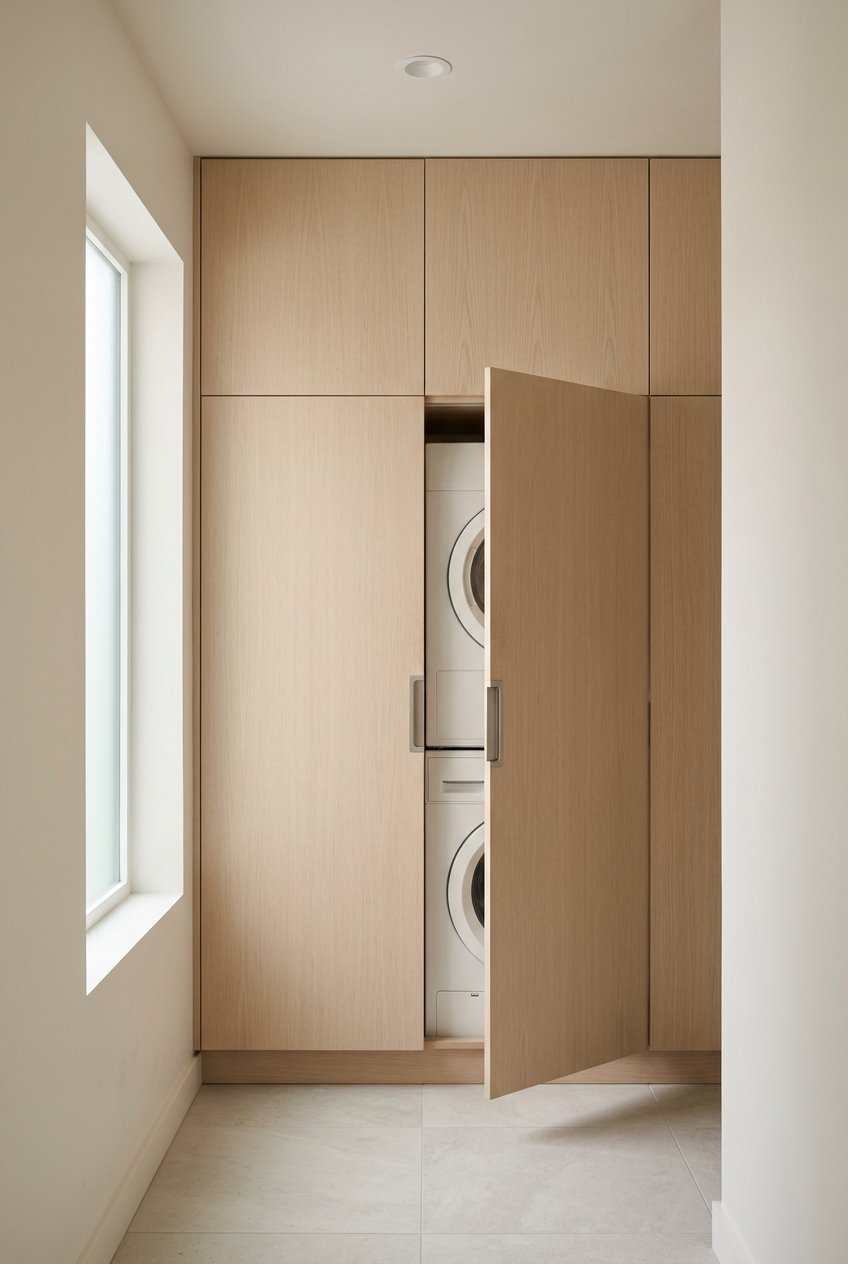
- In-unit washer and dryer
Recent active buildings help show the pattern. Properties like 1333 Broadway, The Cedar Tower, 102 Central Avenue, and Castlebraid all highlight convenience features and shared amenities as part of their rental appeal. Some are larger new buildings, while others are smaller rental properties with modern finishes and practical upgrades.
For you as a small investor, the lesson is clear. A renovated apartment with laundry, strong finishes, and usable outdoor space may compete better than a larger but more basic unit in an older walk-up. In Bushwick, convenience and quality often shape pricing power.
What Older Housing Stock Means for Underwriting
Bushwick’s housing mix is one of the most important parts of the story. NYC Planning reports that more than half of apartments are in buildings with fewer than six units, and nearly 80% of buildings were built before 1947. That creates opportunity, but it also creates more variables.
Older buildings may offer attractive entry points for small investors, especially compared with larger luxury product. But they also require closer review of condition, layout efficiency, and legal rent status. You cannot assume that two similar-looking buildings will perform the same way.
Community Board 4’s FY2026 needs statement also describes a neighborhood under affordability pressure, noting that many households are paying more than half their income toward rent. While that document is an advocacy statement, it gives useful context for tenant sensitivity around pricing. In practical terms, pricing discipline matters.
A Smart Three-Layer Underwriting Approach
In Bushwick, a small investor should underwrite each property in three layers.
1. Confirm Legal Status
Before you project income, verify whether the property or unit is rent-stabilized or potentially regulated. The NYC Rent Guidelines Board’s Order #57 applies to renewal leases starting between October 1, 2025 and September 30, 2026. It sets renewal increases at 3% for one-year leases and 4.5% for two-year leases, and it notes that there is no separate vacancy allowance under current law.
This step is essential because legal rent rules directly affect your growth assumptions. In an older neighborhood like Bushwick, skipping this review can distort your entire model.
2. Evaluate Physical Product
Next, assess the building as a renter would. Does it offer updated finishes, efficient layouts, laundry, outdoor space, or climate control? Does it feel competitive against other active listings in its price band?
Bushwick’s market increasingly rewards product quality. A clean renovation with the right convenience features may command stronger rent and lease faster than a larger but less functional alternative.
3. Compare to Live Market Pricing
Finally, compare the property against current asking-rent benchmarks and active inventory. StreetEasy helps you read live competition, concessions, and unit mix. RentCafe helps frame the broader neighborhood average, especially for larger-building stock.
Used together, these sources can give you a more realistic picture. One tells you what is being asked today, and the other helps place those asks in a wider context.
The Core Bushwick Investment Insight
Bushwick is best understood as a segmented rental market. On one side, you have a neighborhood with strong renter demand, older small-building inventory, and households that are often price-sensitive. On the other, you have newer and more amenitized properties competing for tenants who will pay more for convenience, finishes, and shared spaces.
That split explains why some units move quickly at strong rents while others need concessions. It also explains why small investors need to be especially careful about blending data from older walk-ups and larger new developments. They may sit in the same neighborhood, but they do not always compete in the same way.
If you are evaluating Bushwick, the goal is not to find the perfect average rent. The goal is to understand which slice of Bushwick your asset belongs to, then underwrite that slice honestly.
If you want a more tailored read on Bushwick inventory, rental positioning, or re-rental strategy, The Horizon Team can help you evaluate the market with a practical, data-informed approach.
FAQs
What is the average rent in Bushwick right now?
- RentCafe’s April 2026 data shows an average Bushwick rent of $3,381, while StreetEasy reports a median base rent of $3,495, so the answer depends on the dataset and property type.
How should small investors use Bushwick rent data?
- You should compare live asking rents, concessions, building type, legal status, and amenities instead of relying on one neighborhood average.
Are Bushwick apartments mostly in small buildings?
- Yes. NYC Planning reports that more than half of apartments are in buildings with fewer than six units.
Does rent-stabilization matter when underwriting a Bushwick property?
- Yes. You should verify each property’s legal rent status because rent-stabilization rules can directly affect rent growth assumptions and lease renewals.
Are concessions common in the Bushwick rental market?
- Yes. Current public listings show concessions such as one month free, two months free, and three months free on certain lease terms.
What apartment features matter most in Bushwick rentals?
- Current listings suggest renters respond strongly to features like laundry, elevator access, outdoor space, central air, dishwashers, package rooms, bike storage, and in-unit washer and dryer setups.
Is Bushwick a tight rental market or a loose one?
- The broader New York City rental market is tight based on the 2023 Housing and Vacancy Survey, but in Bushwick some higher-end listings appear to compete more aggressively through concessions.
What is the best way to underwrite a small rental property in Bushwick?
- A practical approach is to review legal status first, then physical condition and amenities, and finally compare the unit to current asking rents and concessions in the active market.