Buying your first place in New York can feel like a moving target. Prices shift, competition stays real, and the search often comes down to one question: where can you still find a practical path to ownership without giving up convenience or neighborhood energy? If Ridgewood is on your radar, there is a good reason. This Queens neighborhood keeps showing up in market coverage because it offers a mix of historic housing, solid transit access, and ownership pricing that still compares favorably with nearby Brooklyn options. Let’s dive in.
Why Ridgewood stands out
Ridgewood has become a go-to alternative for buyers and renters who have been priced out of parts of Brooklyn. In its 2026 market snapshot, StreetEasy ranked Ridgewood among NYC’s neighborhoods to watch, noting a 43.4% increase in searches from 2024 to 2025.
That kind of attention matters for first-time buyers. It suggests Ridgewood is no longer a hidden option, but it also helps explain why the neighborhood keeps coming up in real conversations about value, location, and long-term potential.
Ownership feels more attainable here
The most important point for first-time buyers is not that Ridgewood is cheap. It is not. The better way to think about it is that Ridgewood can offer a more attainable route to ownership than some nearby neighborhoods.
According to the NYU Furman Center Ridgewood/Maspeth profile, the area had a 41.5% homeownership rate in 2023. The same report shows 2024 median sales prices per unit of $829,000 for 1-family buildings and $450,000 for 2-4 family buildings.
That does not mean every home in Ridgewood fits a first-time-buyer budget. It does mean that, compared with many nearby options, the neighborhood still offers ownership numbers that are worth a closer look.
How Ridgewood compares to Brooklyn
For many buyers, the real comparison is not Ridgewood versus all of New York City. It is Ridgewood versus nearby Brooklyn neighborhoods they may have considered first.
The Furman Center data helps clarify the difference:
- Ridgewood/Maspeth 1-family median sales price: $829,000
- Bushwick 1-family median sales price: $1.1M
- Bed-Stuy 1-family median sales price: $1.625M
- Ridgewood/Maspeth 2-4 family median sales price: $450,000
- Bushwick 2-4 family median sales price: $510,000
- Bed-Stuy 2-4 family median sales price: $625,000
That gap is a big reason Ridgewood is on the map. If you have been watching Brooklyn prices and wondering whether ownership is still realistic, Ridgewood may offer a better entry point.
Rents are closer than sale prices
Here is where Ridgewood gets even more interesting. While ownership pricing compares favorably with some Brooklyn neighborhoods, rents are much closer together.
The Furman Center reports real median gross rent of $2,060 in Ridgewood/Maspeth, compared with $2,110 in Bushwick and $2,070 in Bed-Stuy. In other words, the monthly cost of renting is not dramatically lower, even if the path to buying can be.
For first-time buyers, that can be an important signal. If your rent budget already puts you in the same general range, it may be worth exploring whether buying in Ridgewood is more realistic than buying in nearby Brooklyn.
Housing stock gives Ridgewood character
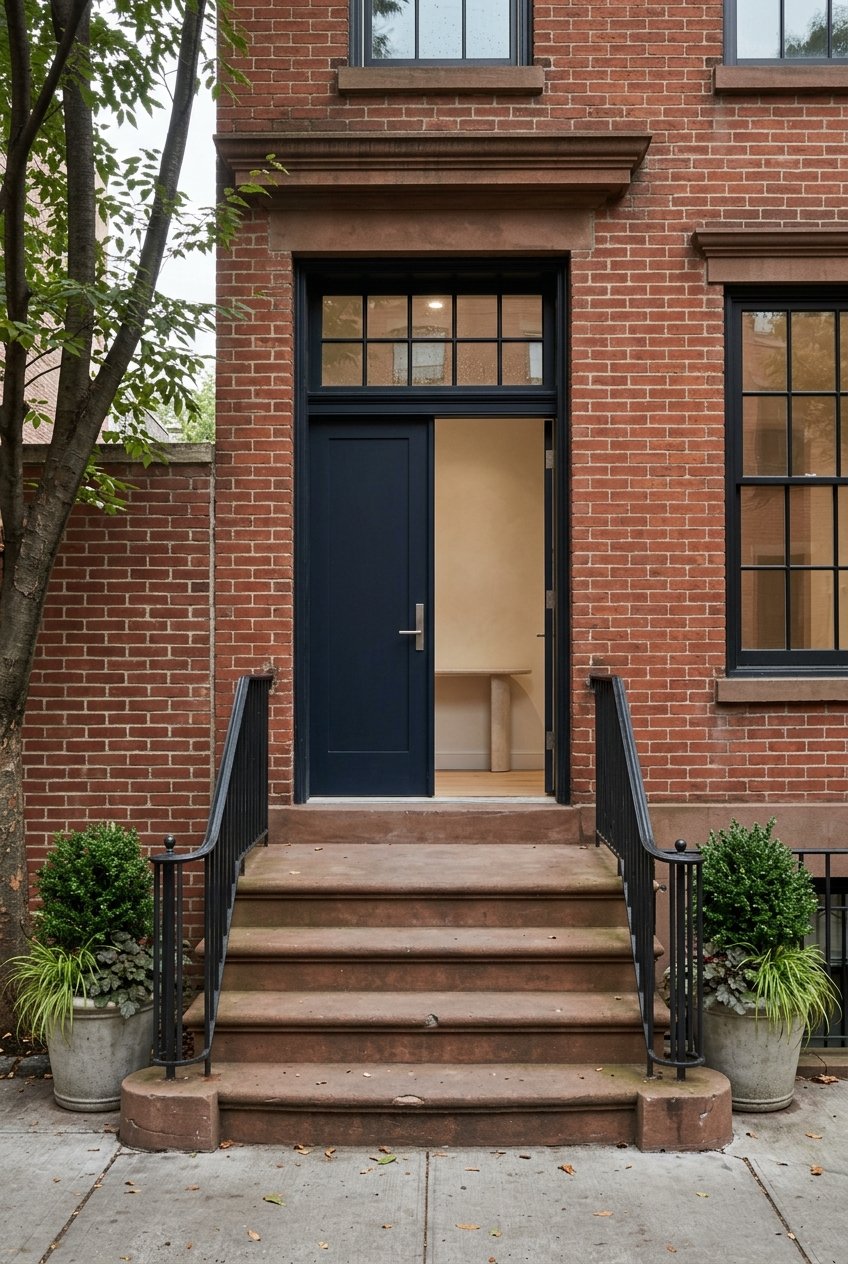
Part of Ridgewood’s appeal is visual and practical. The neighborhood is known for its low-rise, early-20th-century housing stock, which gives many blocks a consistent and established feel.
The Landmarks Preservation Commission describes the Central Ridgewood Historic District as an intact collection of about 990 buildings, mostly brick row houses built between 1906 and the First World War. It also identifies the Stockholm Street Historic District as a one-block group of 36 brick row houses built between 1907 and 1910.
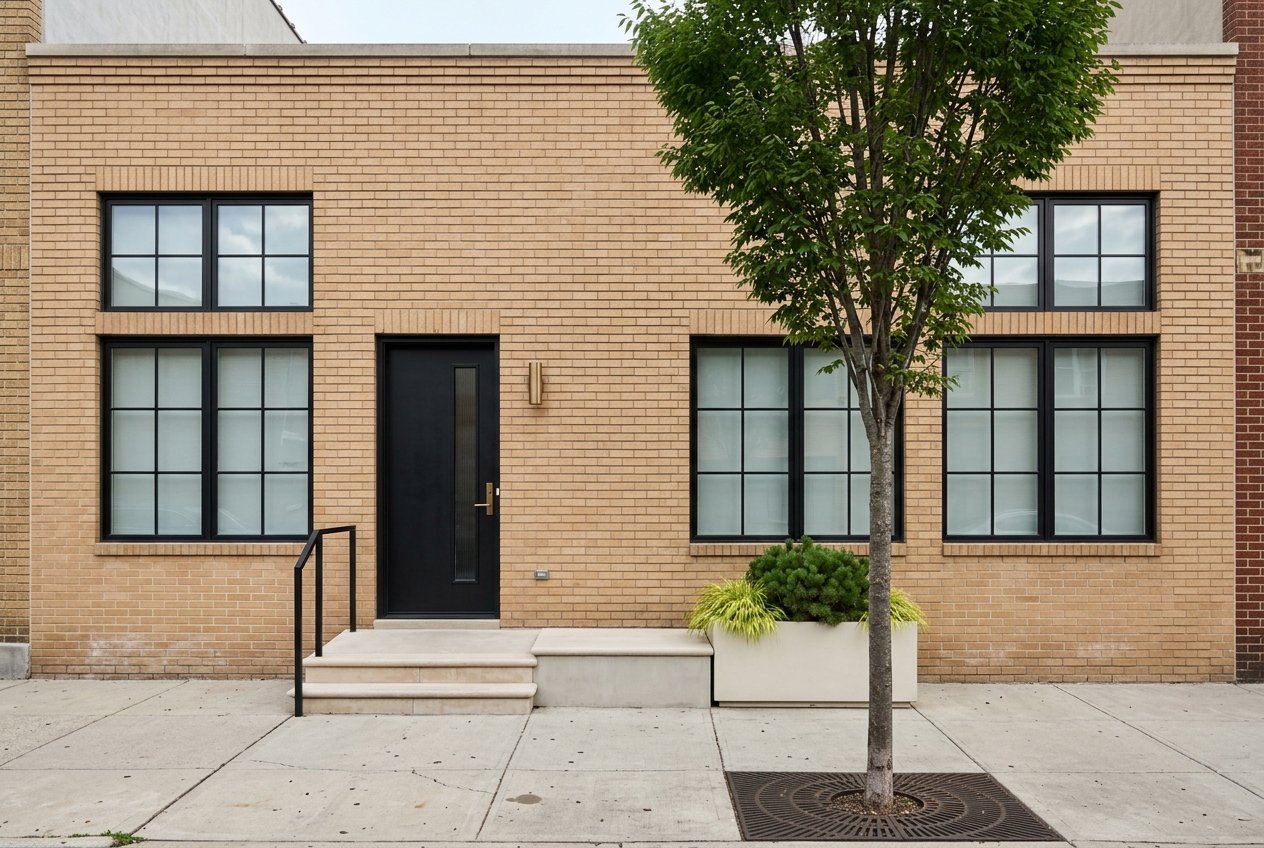
StreetEasy echoes that context, noting that much of Ridgewood’s housing was built between 1905 and 1915 and highlighting its rowhouses, converted loft spaces, newer residential development, and distinctive brick facades. For buyers, that mix can create more variety than you may expect, especially if you want a neighborhood that feels residential but not sleepy.
Transit is a major advantage
First-time buyers often need more than a good purchase price. You also need a neighborhood that works for your day-to-day life, especially if commuting matters.
Ridgewood performs well here. The MTA’s M line map includes Ridgewood stations such as Myrtle Av, Seneca Av, Forest Av, Fresh Pond Rd, and Middle Village-Metropolitan Av. The L line map coverage in the research notes also includes Myrtle-Wyckoff Avs and Halsey St, with Myrtle-Wyckoff marked ADA accessible.
StreetEasy summarizes the same point simply: the M runs through the heart of Ridgewood, and the L serves Myrtle-Wyckoff and Halsey. For many buyers, that balance of neighborhood feel and subway access is part of the value equation.
Future transit adds another layer
Ridgewood also has a future-facing transit story worth watching. In 2025, the MTA held public open houses for the proposed Interborough Express project in Ridgewood.
According to the agency, the proposed 14-mile IBX would connect Brooklyn and Queens with access to up to 17 subway lines and target end-to-end travel times under 40 minutes. This project is still proposed, not guaranteed, but it adds a meaningful layer to Ridgewood’s long-term appeal for buyers thinking beyond today’s map.
The neighborhood feels lived-in
A neighborhood works best when it supports everyday life, not just your home search. Ridgewood’s appeal is tied not only to housing and transit, but also to the feel of its commercial streets.
StreetEasy points to corridors along Myrtle, Forest, and Metropolitan Avenues as lined with shops, cafes, restaurants, and local businesses. It also highlights Ridgewood’s growing food and arts scene as one of the neighborhood’s main draws.
That matters because first-time buyers are often looking for balance. You may want a place that feels practical and grounded, while still offering enough activity to keep daily life convenient and interesting.
Know the limits of the data
One important detail: not every public data set is Ridgewood-only. Some official sources group Ridgewood with nearby Maspeth and Middle Village under Queens Community District 5 or as Ridgewood/Maspeth.
For example, Queens Community Board 5 covers Ridgewood, Maspeth, Middle Village, and Glendale. That means some affordability and housing figures reflect a broader district rather than Ridgewood alone. When you evaluate the market, it helps to separate neighborhood-specific listings from district-level trends.
Affordability is still under pressure
Ridgewood may be more attainable than some alternatives, but buyers should not confuse that with easy affordability. The Queens Community Board 5 FY2025 needs statement notes that affordability is under pressure and connects that pressure to speculation, tenant protections, and housing code enforcement concerns.
That is a reminder to shop carefully and stay grounded in current numbers. If you are entering the market for the first time, the goal is not to chase hype. It is to understand where the numbers, housing options, and neighborhood fit come together in a way that works for you.
Why first-time buyers keep watching Ridgewood
When you put the pieces together, Ridgewood’s appeal becomes pretty clear. It offers ownership pricing that remains materially lower than some nearby Brooklyn comparables, a housing stock with real character, strong existing subway access, and a neighborhood feel that is active without being centered only on nightlife.
That combination is why Ridgewood keeps showing up in current market coverage and why more first-time buyers are taking it seriously. If you are trying to balance budget, commute, and lifestyle in New York, Ridgewood deserves a closer look.
If you want help evaluating Ridgewood listings, comparing ownership options, or building a first-time-buyer strategy that fits your goals, The Horizon Team can help you navigate the process with local insight and a data-informed approach.
FAQs
Why is Ridgewood getting attention from first-time buyers?
- Ridgewood is getting attention because it offers a more attainable path to ownership than some nearby Brooklyn neighborhoods, along with solid subway access, historic housing stock, and active local commercial corridors.
Is Ridgewood actually affordable for first-time buyers?
- Ridgewood is better described as comparatively attainable rather than inexpensive. District-level data from Ridgewood/Maspeth show lower median sales prices than Bushwick and Bed-Stuy, but affordability pressures remain real.
How does Ridgewood compare with Bushwick for buyers?
- Ridgewood/Maspeth had lower 2024 median sales prices per unit than Bushwick for both 1-family and 2-4 family buildings, while rent levels were relatively close, making Ridgewood notable as an ownership alternative.
What transit options are available in Ridgewood?
- Ridgewood is served by the M line at stations including Myrtle Av, Seneca Av, Forest Av, Fresh Pond Rd, and Middle Village-Metropolitan Av, while nearby L service includes Myrtle-Wyckoff Avs and Halsey St.
What kind of housing stock is common in Ridgewood?
- Ridgewood is known for early-20th-century brick row houses, with additional converted loft spaces and newer residential development contributing to the neighborhood’s housing mix.
Are Ridgewood housing statistics always Ridgewood-only?
- No. Some public sources group Ridgewood with nearby areas such as Maspeth and Middle Village, so it is important to note whether a statistic reflects Ridgewood alone or a larger district profile.